


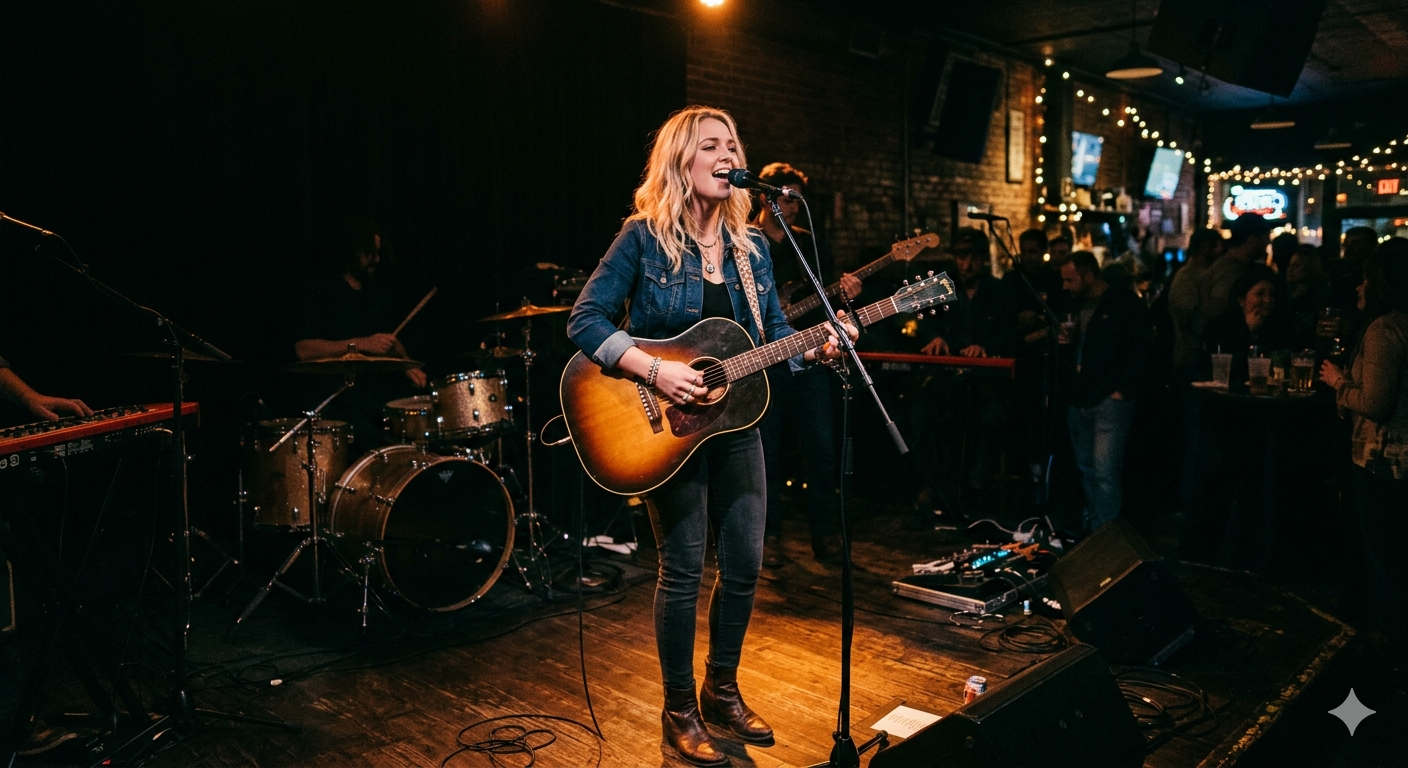
Musicians and Codependency: The Toxic Pattern Destroying Creative Partnerships
When we hear the term “codependency” we mostly think about romantic relationships. This leads to more problems since musicians and codependency are not foreign concepts. You can be in the same toxic relationship with your creative partner, your music teacher, your manager or your band member.
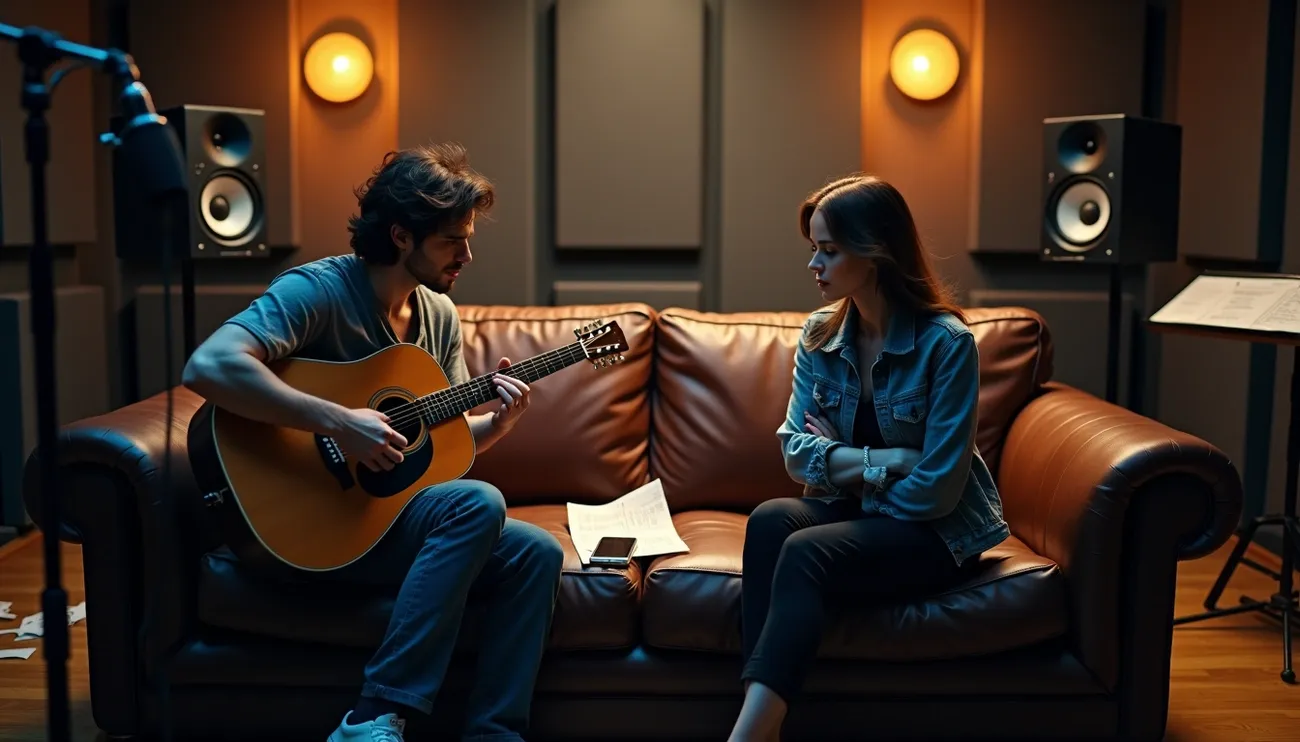 Musicians and codependency often go hand in hand, as those with profound emotional depth and dedication to their craft are uniquely susceptible to codependent patterns. The statistics are sobering: professionals in the music industry are three times more likely to suffer from mental health issues than the general public, with 71% experiencing anxiety and panic attacks and 68.5% reporting depression throughout their careers. While musicians and addiction frequently share headlines, codependency remains an overlooked destroyer of creative partnerships. Throughout this article, we’ll explore how codependent dynamics sabotage musical collaborations, examine common toxic patterns, and provide practical steps to restore healthy creative relationships. Whether you’re seeking codependency healing protocol or simply want to recognize warning signs, understanding these patterns is essential for sustainable artistic partnerships.
How Codependency Destroys Creative Partnerships
Codependency operates as an unseen adversary lurking in the shadows of creative partnerships, entangling relationships with patterns that hinder both personal and artistic growth. At its core, this behavioral condition manifests when musicians rely excessively on others for validation, self-worth, and identity. The emotional labor inherent in music creation is immense. We pour our hearts into our work, making us susceptible to emotional exhaustion and an overwhelming need for external validation.
External validation becomes intoxicating for creatives, particularly when codependent injuries run deep. When this approval becomes the main measure of worth and success, it fuels a destructive cycle. Our sense of self-worth becomes entangled with audience opinions, producers’ feedback, and collaborators’ approval. In essence, we lose connection to our authentic selves, and our self-worth erodes.
Creative partnerships suffer most when we hold ourselves back from anything threatening to the other person. Creativity demands risks, yet these same risks can destabilize codependent dynamics. We accommodate partners’ preferences over our own needs, betraying ourselves repeatedly. Moreover, creativity changes us at deep levels, causing us to question existing roles and relationship dynamics. Meanwhile, the pressure to produce and meet deadlines leads to burnout and exhaustion. We sacrifice our well-being, relationships, and boundaries in pursuit of our creative vision.
Common Codependent Patterns Between Musicians
Several toxic patterns consistently emerge when musicians and codependency intersect within creative partnerships. Overcommitting stands as one of the most prevalent issues. We agree to numerous collaborations out of fear of missing opportunities or desire to please others. We pile on unrealistically difficult repertoire, insisting on mastering complex pieces in short periods to display our prowess. We deny the toll on our health, refusing to acknowledge these endeavors aren’t sustainable career foundations. The pattern leads to burnout, disillusionment, and constant self-doubt.
Sacrificing personal time follows closely. We prioritize rehearsals, gigs, and recording sessions over self-care. This stems from fear of disappointing bandmates, managers, or audiences. Guilt manipulates our colleagues. We cite lineage or reputation as debts requiring repayment. These normalized practices feed the struggling artist paradigm, restarting the cycle repeatedly.
In extreme cases, we tolerate or enable dysfunctional behaviors. To maintain harmony, we overlook unprofessional conduct, poor work ethics, toxic behavior, or substance abuse. The music industry reports problematic substance use among 56% of professionals, with 34% of touring professionals experiencing clinical depression compared to just 7% of the general population. We make excuses for collaborators’ addictions, provide financial support for their habits, or cover up their destructive patterns.
Seeking excessive approval represents another damaging pattern. We constantly chase validation from producers, bandmates, or audiences, eroding our confidence further and stifling innovation.
Recognizing If You’re in a Codependent Musical Relationship
Awareness starts with honest self-reflection. Ask yourself: do I tolerate mistreatment hoping my musical partner or manager will eventually value my contributions? When I bring up concerns about our collaboration, does my partner gaslight me with phrases like “you’re remembering it wrong” or “you’re overreacting”? These manipulation tactics make you question your perception and judgment.
Watch for guilt-tripping disguised as musical partnership. Statements like “after everything I’ve done for this project, this is how you treat me?” weaponize your empathy against you. Similarly, if your collaborator plays the victim whenever you raise legitimate issues, flipping responsibility back onto you, that’s emotional manipulation designed to avoid accountability.
Communication breakdowns signal deeper problems. If you fear being yelled at or gaslit when discussing project issues, you’re trapped in dysfunction. Partners who remain constantly passive-aggressive and impossible to reach about deliverables send clear signals for separation. When you cannot communicate effectively, every creative process takes twice as long and becomes ten times more frustrating.
Your needs matter. If you keep quiet to avoid conflicts, struggle asking for help, or lose interest in your own life within close musical partnerships, codependency has taken root. Notice whether you feel empty or unimportant when not solving your partner’s problems. These patterns indicate you’ve prioritized their validation over your artistic integrity.
Practical Steps to Restore Healthy Creative Partnerships
Breaking free from codependency requires intentional action. Self-awareness forms the foundation. Practices like journaling, meditation, and therapy aid in discovering your needs, emotions, and boundaries. Without understanding where you end and your collaborator begins, restoration remains impossible.
Seeking qualified help accelerates healing. Therapists trained in codependency and addiction help musicians understand behavioral roots and develop healthier relationship patterns. Trauma-informed professionals trained in CBT, schema therapy, or IFS prove ideal for boundary work. Coaches with experiential skills provide objectivity, accountability, and actionable steps while offering safe spaces to unpack struggles.
Communication transforms when approached correctly. Initiate difficult conversations with softened start-ups rather than demands or criticism. Use I-statements centered on your experience and feelings, allowing partners to hear your message without defensiveness. Practice reflective listening and validation, recognizing your partner’s perspective makes sense regardless of whether you agree. Take intentional time-outs when overwhelmed, offering a specific time to return as demonstration of dedication.
Furthermore, formalize your partnership through Band Partnership Agreements detailing rights, responsibilities, profit distribution, voting procedures, and conflict resolution methods. Building supportive networks of friends, peers, and mentors who respect boundaries reinforces healthy behaviors without fostering dependency.
Conclusion
Codependent patterns don’t have to define your creative partnerships. Equally important as recognizing the warning signs is taking action to restore balance. We’ve explored how excessive validation-seeking, poor boundaries, and enabling behaviors destroy musical collaborations. Actually implementing healthier communication practices, seeking professional guidance, and establishing clear partnership agreements will transform your creative relationships. Your artistic vision deserves partnerships built on mutual respect rather than emotional dependency. Take these steps seriously, and you’ll protect both your mental health and creative output.


About Post Author
