


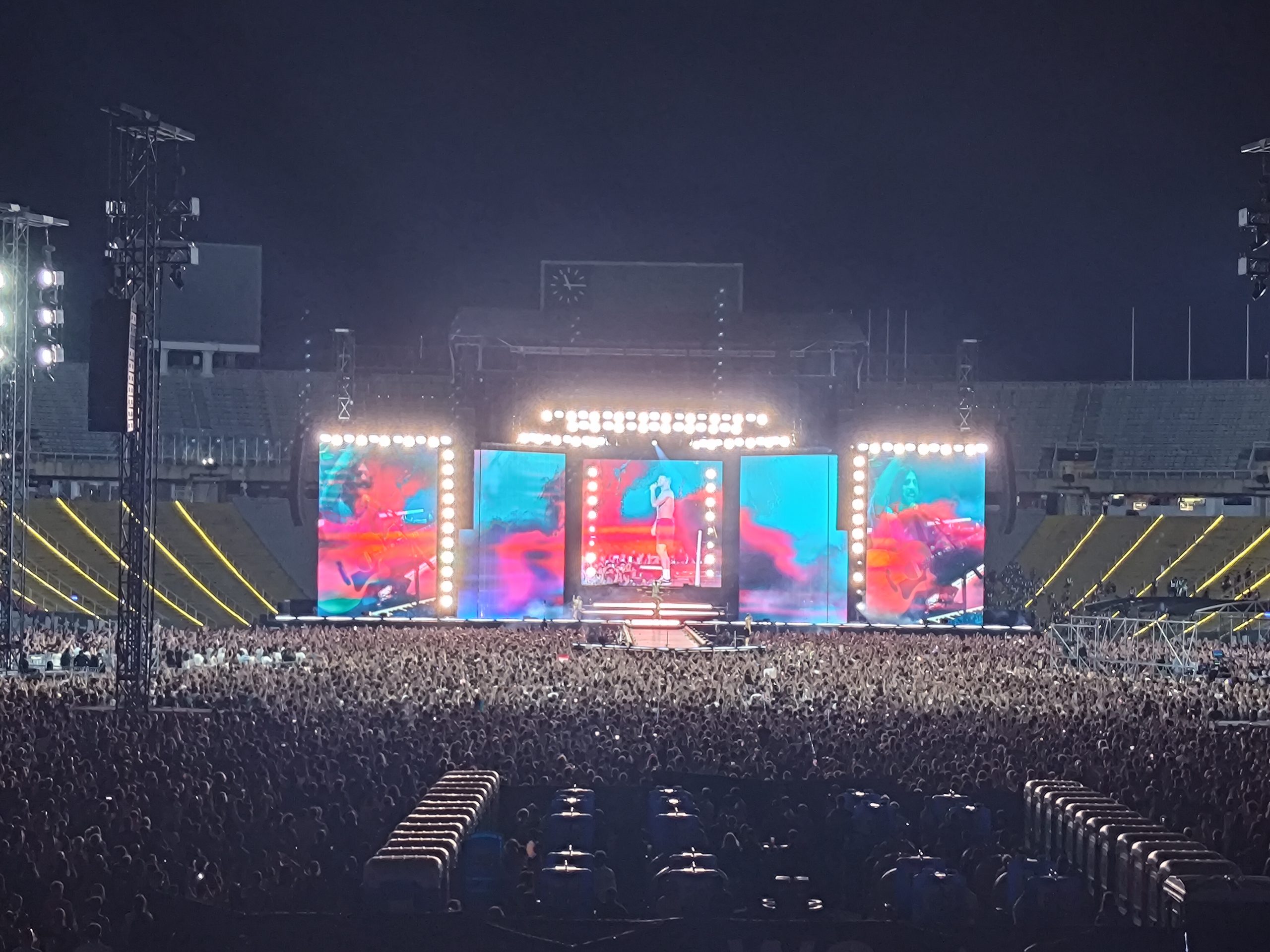
What’s Really Happening in the Music Industry Nowadays?
The music industry nowadays has AI as its dominating trend in 2025, and nothing else comes particularly close. This shift represents just one piece of a larger transformation. Worldwide recorded music revenues climbed 6.4 percent to $31.7 billion last year, marking a new record. Streaming was once again the biggest driver of that growth, reaching $22 billion.
 These current music industry trends reveal how has streaming changed the music industry fundamentally. Social media music marketing, particularly through platforms like TikTok, has become essential for artists and labels. I’ll walk you through the music business trends shaping today’s landscape, the artist’s perspective on these music industry developments, and how technology continues to redefine media in the music industry.
Current music business trends and revenue streams
Paid subscription services drove most of the revenue expansion, growing 9.5% year-over-year to reach $15.15 billion in 2024, with 752 million users worldwide. Streaming now accounts for 69% of total recorded music revenues, whereas physical sales generated $5.3 billion in 2025, reaching their highest level in over a decade.
The independent sector tells a different story about revenue distribution. Independent labels invested $134 million supporting 569 artists across various genres in 2025, generating combined revenue of $239 million. A third of that revenue (33.5%) went directly to artists, with each receiving an average of $236,197 in investment covering production, touring, marketing, and career development. For every dollar invested, independents generated $0.77 in profit, and 77% of that profit returned to artists.
Revenue streams vary significantly between independent and major operations. Streaming represents 59.5% of independent label revenue, followed by physical sales at 25.9%. Sync licensing contributes 7.4%, over three times the global average of 2.2%. Meanwhile, the independent artists market reached $160.6 billion in 2025 and is forecast to hit $233.31 billion by 2031.
Major labels control roughly 65-70% of recorded music revenue globally, yet non-majors represented 46.7% of the total market on an ownership basis in 2025.
The artist’s perspective in today’s music industry
Building a fan base has become an exhausting job for musicians. Over 70% of independent musicians struggle with anxiety, depression, and other mental health issues, and social media music marketing plays a significant role in that distress.
Artists describe platforms as a “content factory” that triggers feelings of inferiority, unhealthy comparisons, and takes time away from actual songwriting. One musician admitted, “I come off stage and the first thing I do is check my phone to see what people said online. It’s no longer about how the show felt – it’s about how it looks”. Sara Quin of Tegan and Sara put it bluntly: “It feels like making music is about making assets for social media”.
The financial reality compounds this pressure. Spotify pays approximately USD 0.00 per stream, while Apple Music offers around USD 0.01. This means 83,000 Spotify streams equals what 12.5 concert tickets generate at USD 20.00 each.
Email lists, Patreon memberships, and direct fan relationships now take priority. Superfans generate 80% of word-of-mouth, ticket sales, and merchandise revenue. While She Sleeps’ Patreon community has 1,500 members – “enough money to keep the band afloat”. These direct connections bypass platform algorithms entirely, returning control to artists themselves.
In essence, artists are shifting strategies. And Online courses given by HTL Music Business Academy are there to help you do the same.
Technology shaping the future of music
Algorithms now determine which songs reach listeners before human curators ever get involved. TikTok reinforces its role as the world’s leading destination for music discovery, where users shape trends in real time, reviving classics and launching breakout artists. Artists are getting discovered by major record labels directly through the platform.
Streaming algorithms analyze three data types: user listening history and behavior, song characteristics like tempo and genre, and contextual patterns including time of day. Spotify reported that around 33% of new artist discoveries happen through personalized recommendations rather than direct searches. Collaborative filtering identifies users with similar listening habits, then recommends songs those users enjoy. Content-based filtering matches song attributes to tracks you’ve previously liked.
The AI music market is projected to reach approximately $38.7 billion by 2033, up from $3.9 billion in 2023, with an expected compound annual growth rate of 25.8%. AI music generators create royalty-free background tracks in minutes, reducing dependence on session musicians and studio rentals. Given that questions about copyright ownership remain unclear, disputes could arise over who owns AI-generated music. Digital platforms and streaming services have sped up genre-blending by letting you jump between various styles in a single playlist.
Conclusion
The music industry has entered an era where technology drives both opportunity and challenge. Streaming revenues continue breaking records, yet artists face mounting pressure from algorithm-driven platforms and minimal per-stream payouts. Consequently, direct fan relationships through email lists and membership platforms offer musicians a viable path forward. AI will reshape how music gets created and discovered, but the artists who build authentic communities will thrive regardless of which technology trends dominate next.
At HTL Music Business Academy we understand the challenges and can help you to make the best our of it. Weather you want to get the full picture with our Master degree, be more focused with the help of our Diploma programs or just get the necessary insights with our Online courses we have your back. Join us and make your passion your profession.


About Post Author
