



Musicians and Mental Health: The Hidden Crisis
More than 73 percent of independent music makers experience symptoms of mental health issues. This shocking statistic reveals a reality that most fans never see when they watch their favorite musicians perform on stage. While the music industry often portrays success and glamor, behind the scenes lies a different truth about musicians and mental health.
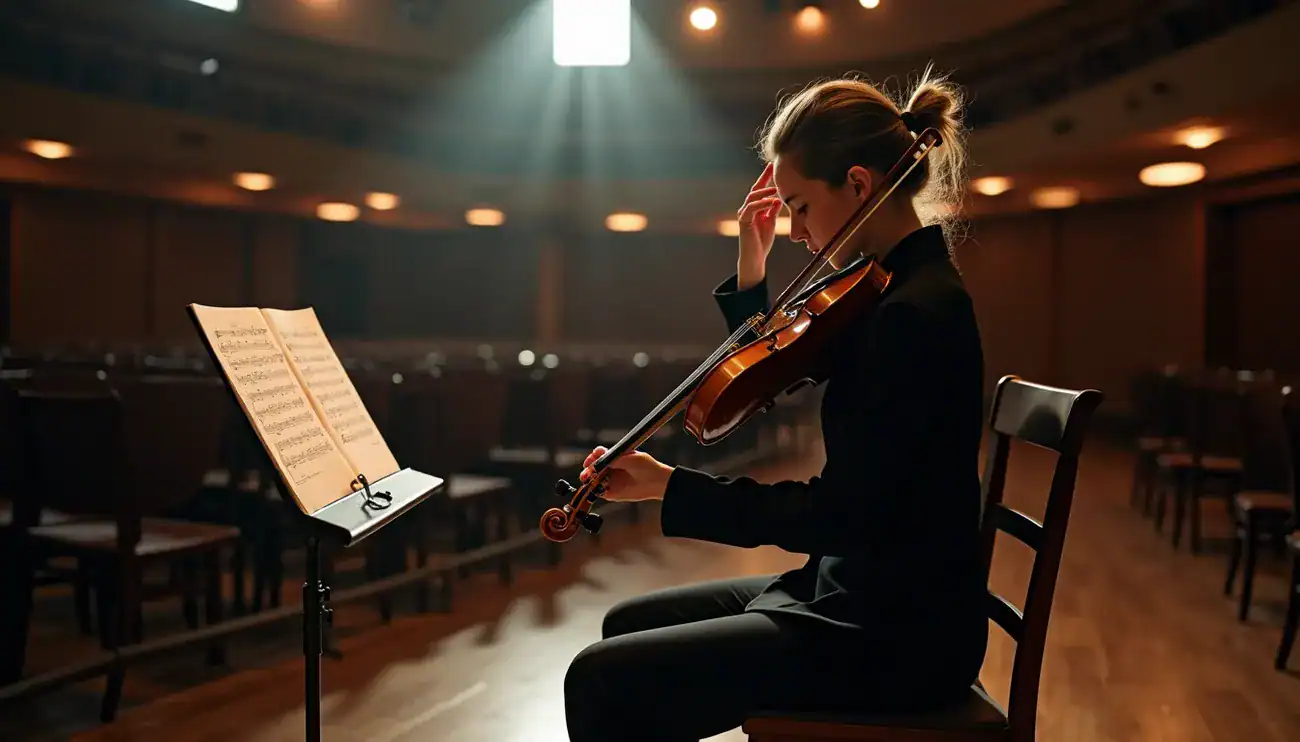
In fact, musicians suffer more mental ill health than the general population. A study found that 68 percent of professional musicians experience depression, while no fewer than 71 percent suffer anxiety and panic attacks. Compared to the general population’s mental illness rate of just 22.5 percent, these numbers paint a concerning picture of mental health in the music industry. The constant pressure to produce and perform at a high level can lead to stress and anxiety, especially when combined with the financial instability that many musicians face. Additionally, the isolation often required for artistic creation contributes to feelings of loneliness and social disconnection.
In this article, we’ll explore real stories from musicians with mental illness that highlight these challenges. Through their experiences, we’ll examine the unique mental health obstacles musicians encounter and what can be done to address them.
Behind the music: what most people don’t see
The spotlight shines bright, but the shadows it casts are often deeper than audiences realize. For professional musicians, the stage represents both a sanctuary and a source of immense psychological pressure that gradually takes its toll on their mental wellbeing.
The hidden toll of constant performance
Professional musicians face unique mental health challenges that remain invisible to most fans. The demanding nature of musical careers creates a perfect storm for psychological distress. Many performers experience performance anxiety so severe that they resort to self-medication or dangerous coping mechanisms. The relentless cycle of preparing, performing, and traveling creates chronically elevated cortisol levels, essentially putting musicians’ bodies in a constant state of stress.
Furthermore, the irregular sleeping patterns and disrupted circadian rhythms experienced by touring musicians directly impact their mental stability. Night after night of post-show adrenaline followed by early travel schedules creates a biological environment where anxiety and depression can flourish. This physical and mental exhaustion becomes normalized within the industry, despite its serious long-term consequences.
Why musicians with mental illness often stay silent
Despite the prevalence of mental health issues, musicians frequently hide their struggles. The fear of being labeled “difficult” or “unreliable” prevents many from seeking help. The music industry’s competitive nature means that showing vulnerability often feels like professional suicide.
Moreover, there’s a pervasive romanticization of the “tortured artist” trope that complicates matters. Many musicians have internalized the damaging belief that their emotional pain somehow fuels their creativity, making them reluctant to address mental health issues. This mindset creates a dangerous cycle where suffering becomes normalized as simply “part of the process.”
The lack of accessible mental healthcare also contributes to this silence. Without health insurance or stable income, many musicians cannot afford therapy or treatment. Subsequently, the stigma surrounding mental illness persists in an industry that paradoxically celebrates emotional expression through art while discouraging open conversations about the creators’ wellbeing.
Stories that reveal the truth
Behind the statistics lie real people with real struggles. For many musicians, mental health challenges remain hidden – concealed behind smiles and stellar performances. Their stories offer a glimpse into the complex reality of pursuing a musical career.
A cellist’s fear of being labeled ‘unreliable’
“Simple,” says Kate, a 30-year-old cellist. “If I told anyone about my depression, I wouldn’t get gigs.”
Kate’s fear represents a common concern in the classical music world. The unspoken rule is clear: appear stable or risk your career. Hence, most string professionals prefer anonymity when discussing mental health issues. Of all those interviewed for research on this topic, none permitted the use of their real names – a telling indication of the stigma that persists throughout the industry.
A violinist’s experience with beta blockers
For many performers, beta blockers have become an essential tool for managing performance anxiety. “Beta blockers don’t take away your fear,” explains Caden, a 26-year-old violinist. “But they take away the symptoms, so you don’t think you’re having a heart attack. You’re still afraid, but you can get through an audition without passing out or vomiting.”
Nonetheless, a significant shift has occurred in how musicians address anxiety. Studies reveal that 72% of orchestra musicians have tried beta blockers for performance anxiety – a dramatic increase from 27% in 1987. Among users, 90% would consider them for auditions, whereas 74% would use them for solo performances.
A bassist’s depression after band breakup
Following a band’s dissolution, mental health can deteriorate rapidly. After his band broke up, bassist Mark Hoppus experienced such severe depression that he found comfort in thoughts of suicide. Likewise, Chris shared how he struggled with anxiety and panic attacks for nearly a decade.
As one bassist confessed, “I didn’t pick up a guitar since then, except for one or another occasion where I was asked to play for a birthday party or a get-together with friends.”
A young freelancer’s struggle with loneliness
For freelance musicians, isolation often becomes an unwelcome companion. “I spend a lot of time by myself even though I live with three other people,” shares one musician. “This can get lonely. Often, after spending a day by myself, I head out for work just as the people I live with come home from school or work.”
Even more distressing is performing without acknowledgment: “Far worse though is when you play for three hours and no-one really responds in any way. No applause, no acknowledgment that you are actually a human, not a jukebox someone has plugged in…Now THAT is a lonely feeling.”
The deeper issues in the music industry
Beneath the surface of music careers lie systemic problems that intensify mental health struggles. These industry-wide issues create an environment where psychological distress becomes almost inevitable.

Why financial instability fuels anxiety
Financial uncertainty forms the bedrock of musician stress. Research shows that musicians with higher levels of job insecurity were more than five times as likely to be depressed and six times as likely to suffer from anxiety. A national survey revealed that 61% of musicians reported their performance earnings weren’t enough to make ends meet. This precarity hits women harder—female musicians earn nearly a tenth less than men (£19,850 compared to £21,750) although they typically hold more advanced musical qualifications.
How conservatory culture creates burnout
Music education often normalizes unhealthy practices from the start. Conservatories frequently encourage “packed-out schedules” and working “beyond the point of exhaustion”. Many institutions impose 14-16 hour days without adequate time for basic needs. Consequently, music students show significantly higher stress levels (averaging 7.12 on a 10-point scale) and depression rates nearly double those of other college students.
The impact of sexism and harassment
Gender inequality permeates the industry—51% of women musicians face gender discrimination versus only 6% of men. Alarmingly, a third of women report sexual harassment while working. Women musicians confront additional burdens around pregnancy and childcare, with many losing opportunities after becoming mothers. As a result, women’s representation drops dramatically with age.
Lack of HR and support in freelance work
With over 70% of the music workforce being freelance, most musicians lack institutional support. “There’s no HR department in the music industry,” explains industry insider Oli Wilson. Artists like Lily Allen confirm: “There isn’t an HR place to go to because everyone’s self-employed. You’re all on your own”. This absence of formal support systems leaves musicians vulnerable during crises and reinforces the industry’s toxic patterns.
Steps toward healing and change
Fortunately, the landscape is shifting as both individuals and organizations take meaningful action to address mental health challenges in the music industry.
Normalizing mental health conversations
Breaking the silence around mental health issues represents the first crucial step toward healing. Many artists are now openly discussing their struggles, helping to destigmatize mental illness in the music community. Increasingly, industry panels and podcasts like “Elevate Music” and “CHECK YOUR HEAD: Mental Help for Musicians” create platforms for these vital conversations.
Resources for musicians with mental illness
Several dedicated organizations now offer specialized support:
- MusiCares provides critical assistance including therapy, psychiatric care, and addiction recovery services, with 78 cents of every donated dollar going directly to these programs.
- Backline connects music professionals with trusted mental health providers who understand the unique challenges of the industry.
- Music Minds Matter offers a 24/7 helpline specifically for UK music professionals.
- Sweet Relief Musicians Fund provides emergency financial assistance to help ease financial burdens while musicians pursue treatment.
How organizations are filling the gap
With no HR departments in most music settings, organizations are stepping up to provide structure. MusiCares hosts over 300 preventive clinics and educational workshops annually, while Backline recently partnered with Baltimore’s Black Mental Health Alliance to better serve BIPOC community members.
What musicians can do to protect themselves
Establishing daily routines around activities that bring fulfillment—like songwriting, exercise, meditation, and nutritious meals—creates essential stability. Building a supportive community network proves equally important, providing connection when isolation threatens. Simple self-care practices, including proper hydration and adequate rest, can significantly impact a musician’s mental wellbeing.
Conclusion
The startling reality of musicians’ mental health cannot be ignored any longer. Throughout this article, we’ve seen how the music industry’s glamorous facade often masks deep psychological struggles faced by those who create the music we love. Undoubtedly, the statistics speak volumes – musicians experience depression and anxiety at rates triple those found in the general population.
Behind every performance lies a complex reality. Financial uncertainty, performance pressure, and isolation combine to create perfect conditions for mental health challenges. Still, many artists suffer silently, afraid that revealing their struggles might end their careers. This silence perpetuates the problem, making musicians feel alone in their battles.
The personal stories shared here highlight a troubling truth: the music industry must change its approach to mental wellbeing. After all, musicians are not merely vessels for artistic expression but human beings deserving of support and understanding. Therefore, the growing movement to normalize mental health conversations represents a crucial first step toward healing.
Thankfully, resources like MusiCares, Backline, and Music Minds Matter now offer specialized support for struggling artists. These organizations fill critical gaps where traditional support systems fail. Additionally, musicians themselves are developing personal strategies to protect their mental health through community building, self-care practices, and establishing meaningful routines.
Though challenges persist, this growing awareness offers hope. Musicians deserve an industry that values their wellbeing as much as their talent. The path forward requires continued conversation, institutional change, and individual commitment to creating an environment where artists can thrive both creatively and emotionally. Music itself has always been a powerful healer – certainly, it’s time we extended that same healing to those who create it.


About Post Author
