



The Future of Music Industry: Do Artists Still Need Record Labels in 2025?
The future of music industry has transformed dramatically, with global recorded music revenues more than doubling between 2015 and 2024. However, this growth comes amid significant shifts in how music is created, discovered, and consumed.
Digital streaming now accounts for over 85% of all recorded music revenue globally, fundamentally changing the artist-label relationship. Meanwhile, over 50% of music consumed on major platforms in 2025 comes from independent or unsigned artists. This raises an important question: in the future of music industry trends 2025, do emerging artists still need traditional record labels?
We’ll explore how the power dynamic has shifted, with labels now prioritizing artists who have already gained traction rather than developing raw talent. Furthermore, we’ll examine how superfans generate 30% of streams for major artists and purchase half the merchandise, creating new revenue opportunities outside traditional label structures.
In this article, we’ll break down the evolving music landscape, analyze future of music industry trends, and help you understand whether partnering with a label still makes sense in 2025’s increasingly independent music ecosystem.
Do artists still need record labels in 2025?
Independent artists now account for a significant portion of the music market, raising questions about the traditional artist-label relationship. With digital tools and platforms proliferating, the music industry landscape has fundamentally shifted in favor of self-sufficient creators.
The rise of independent music careers
Artists like Chance the Rapper exemplify the new path to success without label backing. His 2016 mixtape “Coloring Book” earned three Grammy Awards, including Best Rap Album, despite being a streaming-only release. This breakthrough moment demonstrated that mainstream recognition no longer requires traditional label support.
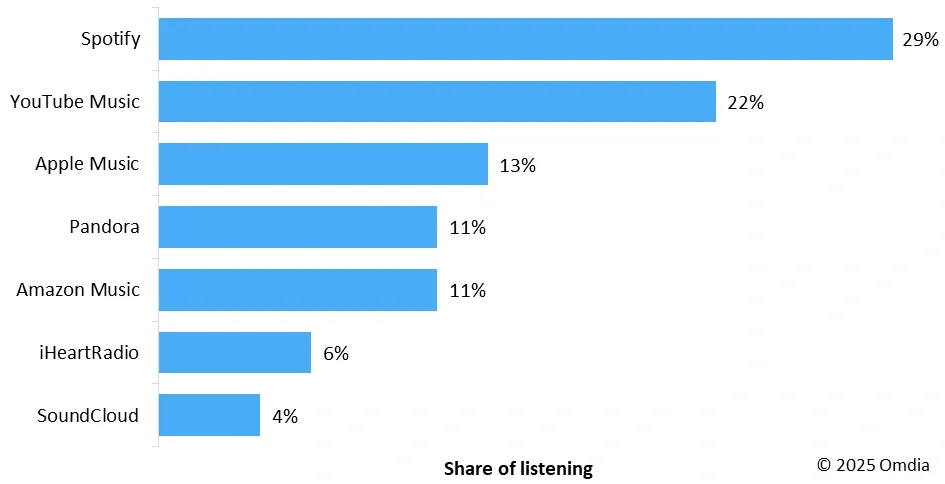
The accessibility for DIY artists to “do it themselves” has made record labels less necessary than in previous decades. Digital music distribution, streaming platforms, social media, and online marketing tools have revolutionized how artists release music and connect with fans. Indeed, the digital era provides musicians with direct access to global audiences through platforms like Apple Music, Spotify, and Amazon Music.
Tools that make labels less essential
Today’s independent artists have access to an arsenal of powerful tools that replace many traditional label functions:
- Distribution platforms like Distrokid, TuneCore, and CD Baby handle global music distribution across all major streaming services
- Marketing resources such as Spotify for Artists, SubmitHub, and ToneDen enable artists to promote their music strategically
- Collaboration tools like Kompoz facilitate remote collaboration with musicians worldwide
- Financial management apps help artists track expenses and revenue streams
These resources allow musicians to maintain creative control while reaching audiences that previously required label infrastructure.
When a label still adds value
Despite the rise of independence, record labels continue to offer significant advantages. Labels provide exposure through established networks and connections with booking agents, music venues, publishing companies, and PR firms. Additionally, they cover costly studio time, production services, and promotional expenses.
Labels serve as essential partners in today’s competitive market by helping artists cut through the noise of over one million tracks released weekly. They also unlock new revenue streams and provide expertise in audience development.
The label-artist relationship is evolving from ownership to partnership. As one industry executive noted, “We sign an artist because of the art that they’re doing and how audiences are responding to it. And we trust them”. This shift reflects a more collaborative approach focused on supporting artists’ visions rather than controlling their creative output.
How record labels are evolving their business models
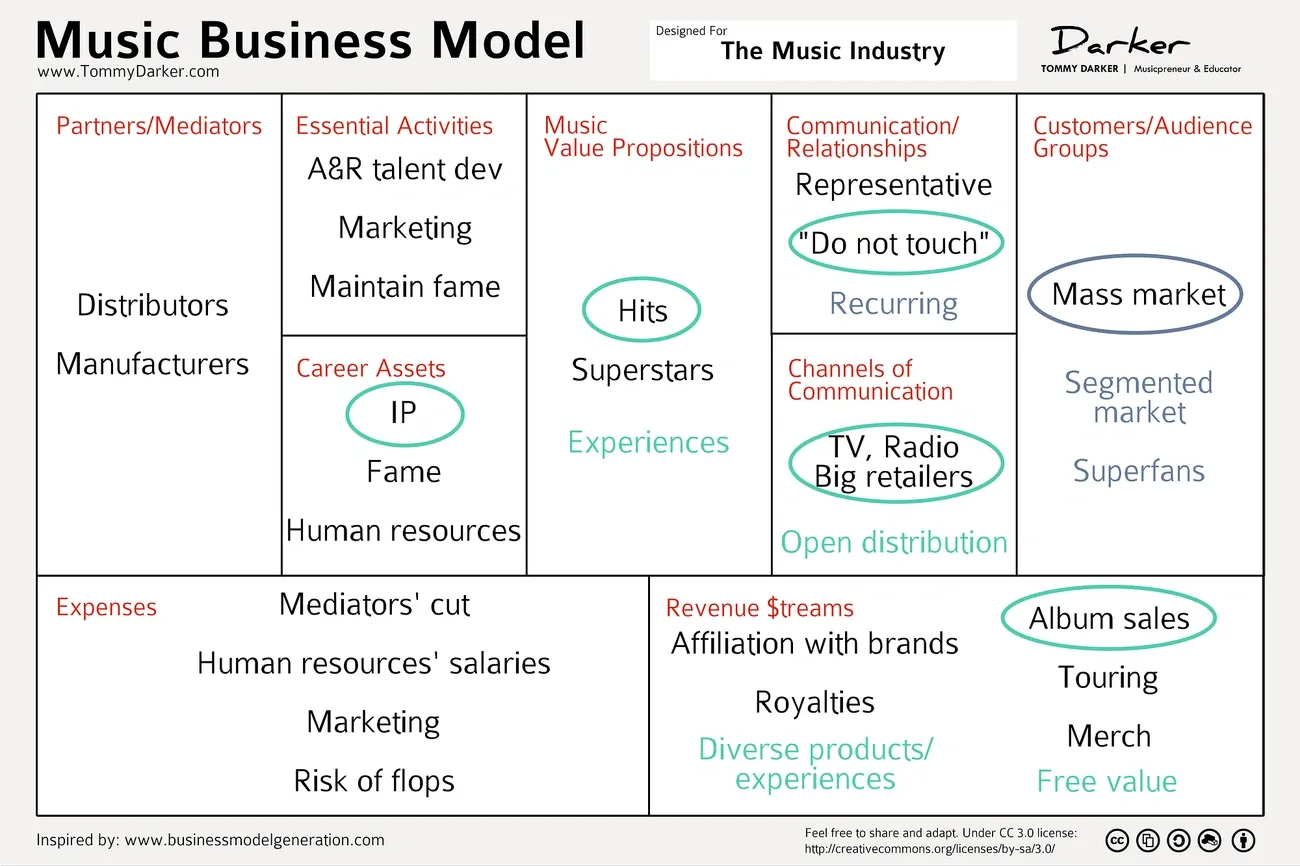
Record labels are undergoing a fundamental transformation in response to the changing dynamics of the music world. No longer able to rely on traditional business models, they’re crafting new approaches to remain relevant in an artist-empowered era.
From ownership to partnership
The most significant shift in the future of music industry is the evolution from label ownership to collaborative partnerships. Labels now recognize that controlling an artist’s creativity isn’t sustainable long-term. Instead, they’re adopting joint ownership models where artists maintain significant rights to their work. Many modern agreements allow masters to revert to artists after 10-15 years, or once the initial investment is recouped. This collaborative ethos extends to the creative process as well, with some labels testing lower-risk approaches—like funding and promoting single songs before deeper commitments—allowing both parties to gage market potential.
Marketing support over creative control
As the future of music industry trends evolve, labels are emphasizing marketing expertise over creative direction. They’re acknowledging that artists often develop their sound independently before seeking label support. Consequently, instead of dictating an artist’s creative direction, labels now offer substantial marketing resources—sometimes up to $50,000 for promotional campaigns—while allowing artists to maintain their authentic artistic vision. This approach proves particularly valuable as reaching and retaining audience attention becomes increasingly challenging, with social media platforms competing directly with streaming services for consumer time.
Flexible, artist-friendly contracts
Perhaps the most visible evolution is in contract structures, which now come in various artist-friendly formats:
- Distribution deals where artists retain full ownership while labels handle getting music onto platforms
- Service-based agreements offering à-la-carte support for specific needs like PR, playlist pitching, or tour assistance
- Limited partnerships restricting label revenue to only services directly provided, leaving tour income, merchandise, and sponsorships with the artist
These flexible arrangements reflect a broader understanding among labels that one-size-fits-all deals no longer work in the future of music industry trends 2025. Even major companies like Sony, Universal, and Warner are embracing more equitable arrangements with shorter timelines and shared ownership, acknowledging that maintaining artist satisfaction is essential for mutual success.
New trends shaping the future of music industry
Music innovation extends beyond record labels, as new mechanisms reshape how artists connect with audiences and generate revenue in the future of music industry.
 Micro-influencers and targeted promotion
Targeted promotion through micro-influencers with small, dedicated followings has emerged as a powerful strategy. These creators achieve 60% higher engagement rates than larger influencers, primarily due to their authenticity and niche focus. Their followers trust them more as friends than celebrities, making their music recommendations remarkably effective. In 2025, trust matters more than reach—a micro-influencer with 5,000 dedicated followers often delivers better results than accounts with millions of passive followers.
AI and data in artist discovery
Simultaneously, data analytics has revolutionized artist discovery. Streaming platforms analyze listening patterns, predicting upcoming trends and identifying potential hits. This wealth of data enables artists and labels to gain comprehensive understanding of audience demographics and preferences, allowing for hyper-targeted marketing campaigns that reach the right listeners at precisely the right time.
Live shows and superfans as revenue drivers
Notably, live performances have become the primary income source for most successful artists. For instance, 91% of Taylor Swift’s USD 99.60 million annual earnings came from touring, with streaming contributing less than 6%. Likewise, superfans—representing just 1.9% of listeners—generate 42% of total revenue. These dedicated supporters don’t merely listen; they buy merchandise, attend concerts, and actively participate in fan communities.
Hybrid deals and distribution-only contracts
Increasingly, the binary choice between traditional labels and independence is dissolving. Creator-label hybrids combining independence with infrastructure are emerging, including artist-owned imprints, digital collectives, and distribution-only partnerships. These flexible arrangements allow musicians to maintain creative control while accessing necessary resources.
What artists should consider before signing a deal
Navigating contract negotiations remains crucial in the future of music industry, regardless of whether you’re an independent artist or seeking label partnership. Knowing what to look for can dramatically impact your career trajectory.

Understanding rights and royalties
Royalty rates typically range from 10% to 20% for traditional labels, with indie deals offering substantially higher percentages. Master recording ownership is perhaps the most critical consideration—when labels own your masters, they control how your music is used in films, commercials, and other media. Additionally, mechanical royalties (currently 9.1 cents per song) are often reduced to 75% in standard contracts.
Evaluating creative freedom
Contract length directly affects your creative autonomy. Initially, a shorter term (1-2 albums) provides flexibility to reassess the partnership. Moreover, watch for exclusivity clauses that prevent you from recording for anyone else during the contract period. Essentially, examine whether the label offers sufficient creative input while respecting your artistic vision.
Reading the fine print in modern contracts
Thoroughly examine recoupment terms, as advances are loans repaid through your royalty share before you see additional earnings. Hence, if your label spends $100,000 on recording and marketing, you’ll need to generate sufficient sales before receiving further payments. Furthermore, audit rights determine your ability to verify financial accounts, while termination clauses outline how and when you can exit the agreement.
Conclusion
The music industry stands at a fascinating crossroads in 2025. Independent artists now thrive through digital platforms, while traditional labels adapt to remain relevant. Therefore, the question isn’t simply whether artists need labels, but rather what specific value each path offers individual musicians.
Digital tools have undoubtedly democratized music distribution and promotion. However, labels still provide substantial benefits through their established networks, financial resources, and marketing expertise. The key difference now lies in how these relationships function – shifting from ownership to partnership models that respect artistic vision while providing necessary support.
Artists must carefully evaluate their unique circumstances before deciding. Those with established fanbases might benefit from maintaining independence or negotiating distribution-only deals. Meanwhile, emerging artists might find label partnerships beneficial for breaking through the noise of one million weekly track releases.
Regardless of path chosen, understanding contract terms remains essential. Royalty rates, master recording ownership, and recoupment terms significantly impact long-term career prospects. Additionally, shorter contract terms generally provide greater flexibility as your career evolves.
The future music landscape will likely feature even more hybrid arrangements between full independence and traditional deals. Data-driven marketing, micro-influencer promotion, and superfan monetization will continue reshaping revenue streams, whether you work with a label or not.
Ultimately, success depends less on which path you choose and more on making informed decisions aligned with your artistic goals and business realities. Both independence and label partnerships can lead to thriving careers when navigated thoughtfully in this transformed musical ecosystem.


About Post Author
