



Music Manager Salary Revealed: The Truth About Industry Earnings in 2025
Curious about a music manager salary in 2025? The numbers might surprise you. According to recent data, the average music manager salary in the United States currently stands at $57,731 per year. This breaks down to approximately $4,810 monthly or $1,110 weekly.
However, how much does a music manager make varies significantly across the industry. While some professionals earn as little as $30,500 annually, top earners can command impressive salaries of up to $122,000. Additionally, most music artist manager salary figures fall between $40,000 and $64,000, though another source puts the average music manager salary slightly higher at $67,321. Importantly, experience plays a crucial role in earnings potential, with entry-level positions starting around $46,982 and senior managers with 8+ years of experience earning up to $83,623.
Want to build a career in the music industry?
In this article, we’ll explore the factors that influence these salary ranges, how education and skills can impact your earning potential, and what the future holds for music management compensation. Whether you’re considering this career path or simply curious about industry standards, we’ve gathered the essential information you need.
What affects a Music Manager’s salary?
Several factors influence what a music manager earns beyond just the average figures. First and foremost, location plays a crucial role in determining music manager salary levels. Managers working in major entertainment hubs like Los Angeles or New York typically earn more than those in smaller markets due to higher industry concentration and living costs.

The size and success of your client roster fundamentally shapes earnings potential. Managers working with established, profitable artists can earn substantially more through percentage-based commission structures (typically 15-20% of artist earnings) compared to those handling emerging talents.
Moreover, the type of management arrangement affects income streams. Independent managers often earn higher percentages but shoulder more risk, whereas those employed by management companies may receive lower commission rates but enjoy stable base salaries plus benefits.
Your specialization within the industry also matters. Managers focusing on specific genres or market niches may command premium rates when they develop particular expertise. For instance, those specializing in electronic music or hip-hop might earn differently than counterparts in rock or country.
Lastly, reputation and track record substantially impact earning potential. Well-connected managers with proven success stories can negotiate better terms and attract higher-profile clients, consequently boosting their income considerably. As a result, networking skills and industry relationships become valuable financial assets in this career.
How education and skills impact earnings
Education and skill development serve as powerful catalysts for music managers looking to increase their earning potential. Despite formal education not being mandatory, earning a bachelor’s degree in business management equips candidates with essential negotiation tactics and industry expertise that can significantly boost earnings.
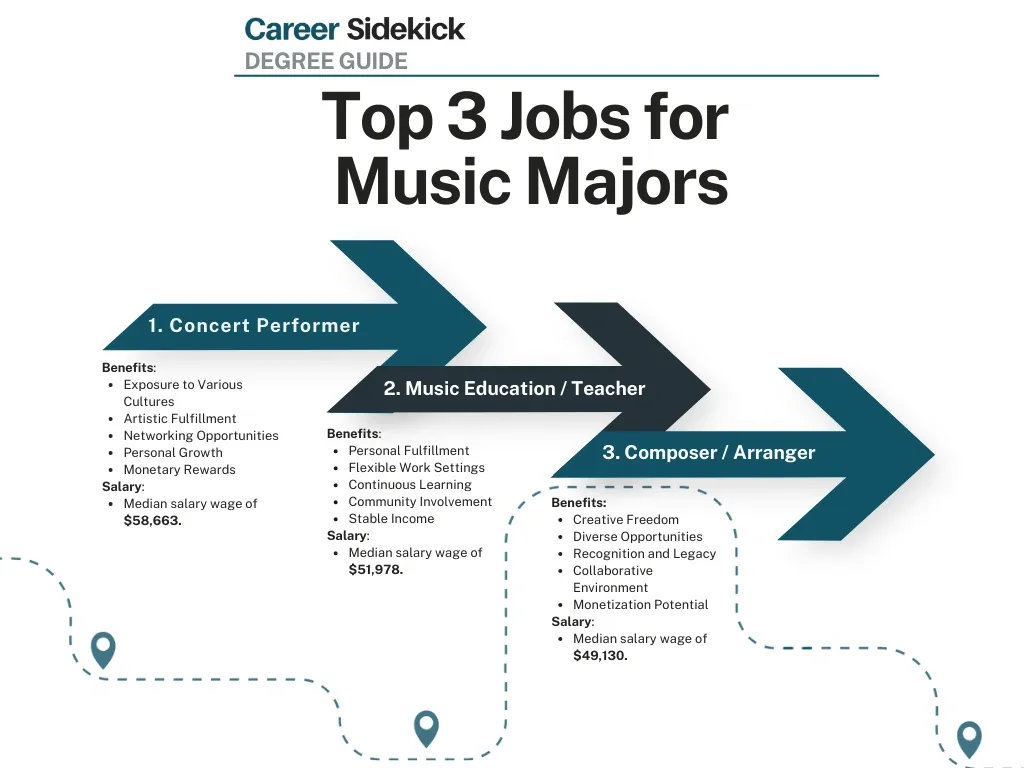
Furthermore, specialized knowledge from music business programs provides both skills and critical industry connections. These connections often translate into higher-paying opportunities, especially in competitive markets. Music managers working in New York City earn approximately $66,908 annually, while those in Los Angeles make around $68,583.
Beyond formal education, certain skills directly correlate with increased earnings. Financial literacy and business management proficiency allow managers to make sound decisions regarding artists’ revenue streams. Equally important are negotiation abilities and strategic planning capabilities that help secure better deals for clients.
Turn your passion into a profession
At HTL Music Business Academy, you will learn:
- Artist management
- Music marketing and promotion
- Streaming and data analytics
- Live events and tours
Professional certifications represent another pathway to higher earnings, serving as third-party validation of a manager’s expertise. These credentials are particularly valuable for those without traditional degrees, helping them command competitive rates in the industry.
Real-world experience remains invaluable, with many successful managers gaining expertise through internships at music agencies or record labels. This hands-on knowledge, coupled with strong networking skills, enables managers to build reputations that attract higher-profile clients—ultimately leading to increased earnings through the standard 15-20% commission structure common in the industry.
What’s the future of Music Manager salaries?
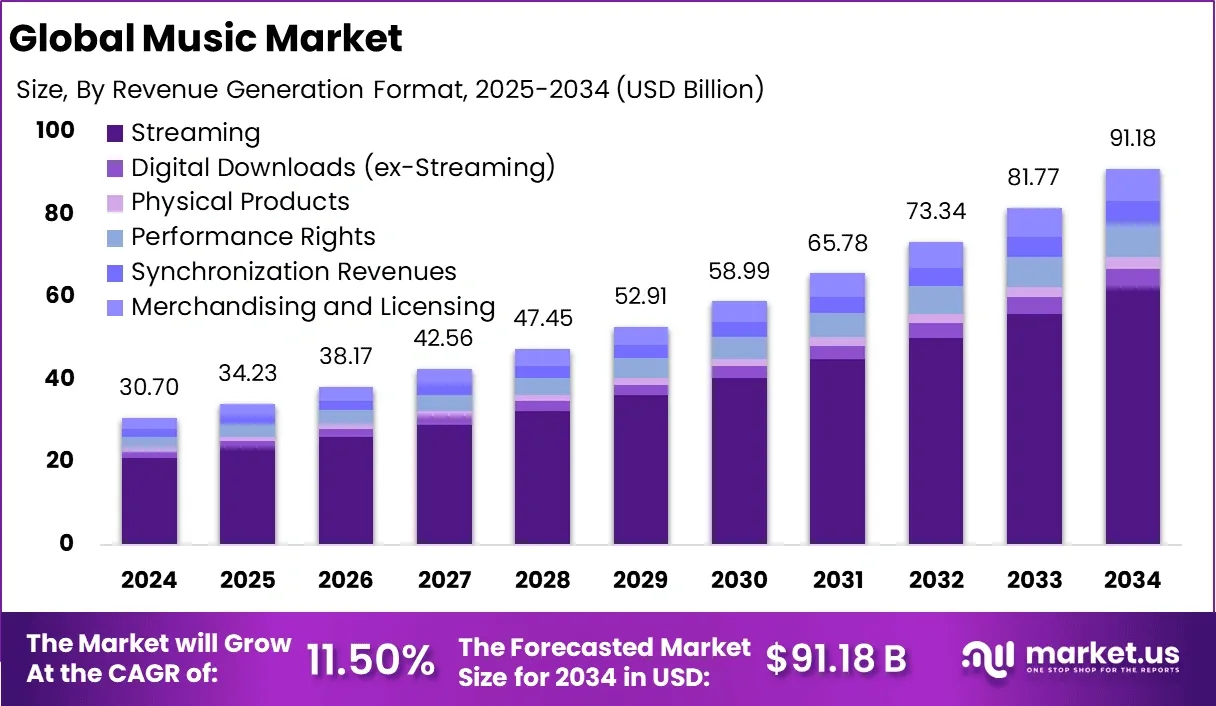
The landscape for music manager salaries is rapidly evolving as we head deeper into 2025. Industry projections suggest growth opportunities in emerging markets, specifically as streaming platforms continue to reshape revenue models for artists and their teams. In fact, streaming revenue distribution methods directly influence how much music managers make through commission structures.
Digital innovation is simultaneously creating new income streams. Virtual concerts, NFT releases, and metaverse performances represent untapped revenue potential for savvy managers who can successfully navigate these spaces. Forward-thinking managers who master these technologies can essentially command higher fees as they deliver additional value to clients.
During this transformation period, managers with expertise in data analytics are positioning themselves advantageously. Understanding streaming metrics, audience demographics, and digital engagement patterns enables more strategic career planning for artists, thereby justifying premium music manager salary rates.
Independent managers are increasingly forming collaborative networks to compete with larger agencies. These collectives allow for resource sharing while maintaining entrepreneurial flexibility, potentially boosting the average music manager salary through combined expertise and reduced overhead costs.
Geographic flexibility represents another significant shift. Remote work capabilities mean talent management can occur from anywhere, gradually balancing out the location-based salary disparities that have traditionally defined music artist manager salary ranges. This democratization opens doors for talented managers outside major entertainment hubs to connect with and represent artists globally.
Conclusion
The music management profession offers significant financial opportunities despite the wide salary variance. Though average earnings hover around $57,731 annually, ambitious managers can potentially earn upwards of $122,000 with the right client roster and market positioning. Location certainly matters in this field, yet modern remote work capabilities gradually reduce geographic barriers, allowing talented managers from various regions to connect with global artists.
Success in this career path depends heavily on multiple factors. First, building a strong client roster stands as the foundation for financial growth. Additionally, specialized knowledge in specific genres or market segments can help managers command premium rates. Experience also plays a crucial role, with senior managers earning nearly double compared to those just starting out.
Smart managers recognize the changing industry landscape. The rise of streaming platforms, virtual concerts, and digital assets creates fresh revenue opportunities for those willing to adapt. Data analytics skills have become equally important as traditional negotiation abilities, allowing managers to make strategic decisions based on audience insights rather than gut feelings alone.
Formal education, while not mandatory, undoubtedly provides advantages. Business management degrees equip candidates with essential skills that translate directly to higher earnings, particularly when combined with industry-specific knowledge. Professional certifications offer another pathway to demonstrate expertise and justify premium rates.
Looking ahead, the music management field will likely continue evolving with technology and market shifts. Independent managers forming collaborative networks represent an emerging trend that balances entrepreneurial freedom with collective resources. The best-positioned professionals will be those who maintain strong relationship-building abilities while embracing new technologies and revenue models.
Your career in music starts here
Study in Barcelona or online and access the global music industry.


About Post Author
