


Barcelona Music Industry: Festivals, Venues & Careers 2027
Every June, Barcelona becomes the centre of the European music calendar. In 2026, Primavera Sound welcomed 287,000 festivalgoers, most of them from outside Spain, and Sónar drew another 150,000 across all its activities just two weeks later. Add Cruïlla in July, a dense venue circuit and a growing cluster of music companies, and you have one of the most active music business hubs in Europe.
But festivals are only the visible part. Behind every headline set there are bookers, promoters, production managers, ticketing teams, marketers, lawyers and data analysts. Most of them work in Barcelona all year round.
This guide maps the Barcelona music industry: the festivals that put the city on the map, the venues where careers are built, the wider business ecosystem, the jobs it creates for people who want to work in music, and the dates to keep in mind for 2027.
The festivals that put Barcelona on the map
Barcelona’s festivals are not just concerts. They are temporary businesses with budgets, supply chains and hundreds of staff. Here are the ones every music business student should know.
Primavera Sound: a festival that moves a city’s economy
Primavera Sound is the clearest example of music as an economic engine. According to a study commissioned by the festival, the 2026 edition generated more than €344 million for Barcelona, up from €339.5 million the year before. The previous year’s report also estimated 8,666 jobs linked to the 2025 edition.
The festival is also a global brand. It runs editions in Porto, Buenos Aires and São Paulo, with Barcelona as the flagship. Its city-wide programme, Primavera a la Ciutat, spreads concerts into venues like Paral·lel 62, La Nau and the CCCB.
Sónar: a festival in transition
Sónar has been Barcelona’s reference for electronic music and digital culture since 1994. 2026 was a year of change: it was the first edition without its three founders, the music moved to a single site at Fira Gran Via, and the Sónar+D creativity and technology congress moved to the historic Llotja de Mar. The festival still reported around 150,000 visitors across Sónar, Sónar+D, Sónar Kids and the city-wide parties.
For students, Sónar is a live case study. Rebranding, relocating and keeping an audience loyal are exactly the challenges a festival manager faces.
Cruïlla and the year-round calendar
Cruïlla reached its 16th edition in 2026. It mixes international headliners like Pixies and David Byrne with Catalan acts such as Rigoberta Bandini and Els Pets, and adds comedy, dance and fashion. Its promoter also runs concerts outside the festival dates, a model that keeps a team employed all year.
The calendar does not stop in summer. The Voll-Damm International Jazz Festival fills Barcelona’s concert halls and clubs every autumn. Dozens of smaller festivals and series fill the gaps in between.
Barcelona’s venues: from 100-capacity rooms to 18,000-seat arenas
Festivals happen a few weeks a year. Venues programme music every week, and that is where most live music careers start. Live music in Catalonia reached €244 million in revenue in 2025, with close to 32,000 concerts and 23.8 million attendees, according to the Anuari de la Música 2026.
Barcelona has a venue for every stage of an artist’s career. Knowing this ladder is basic knowledge for any booker, promoter or tour manager:
- Small clubs (around 100 to 500 people). Rooms like Heliogàbal in Gràcia or Sidecar in Plaça Reial are where new artists play their first shows in the city and build a local following.
- Mid-size venues (around 500 to 2,000). Razzmatazz, Sala Apolo, BARTS, Paral·lel 62 and Bikini host touring artists on the way up. This is the busiest level for promoters and bookers.
- Large venues (up to about 5,000). The Sant Jordi Club and the summer open-air stages on Montjuïc are the step between club tours and arenas.
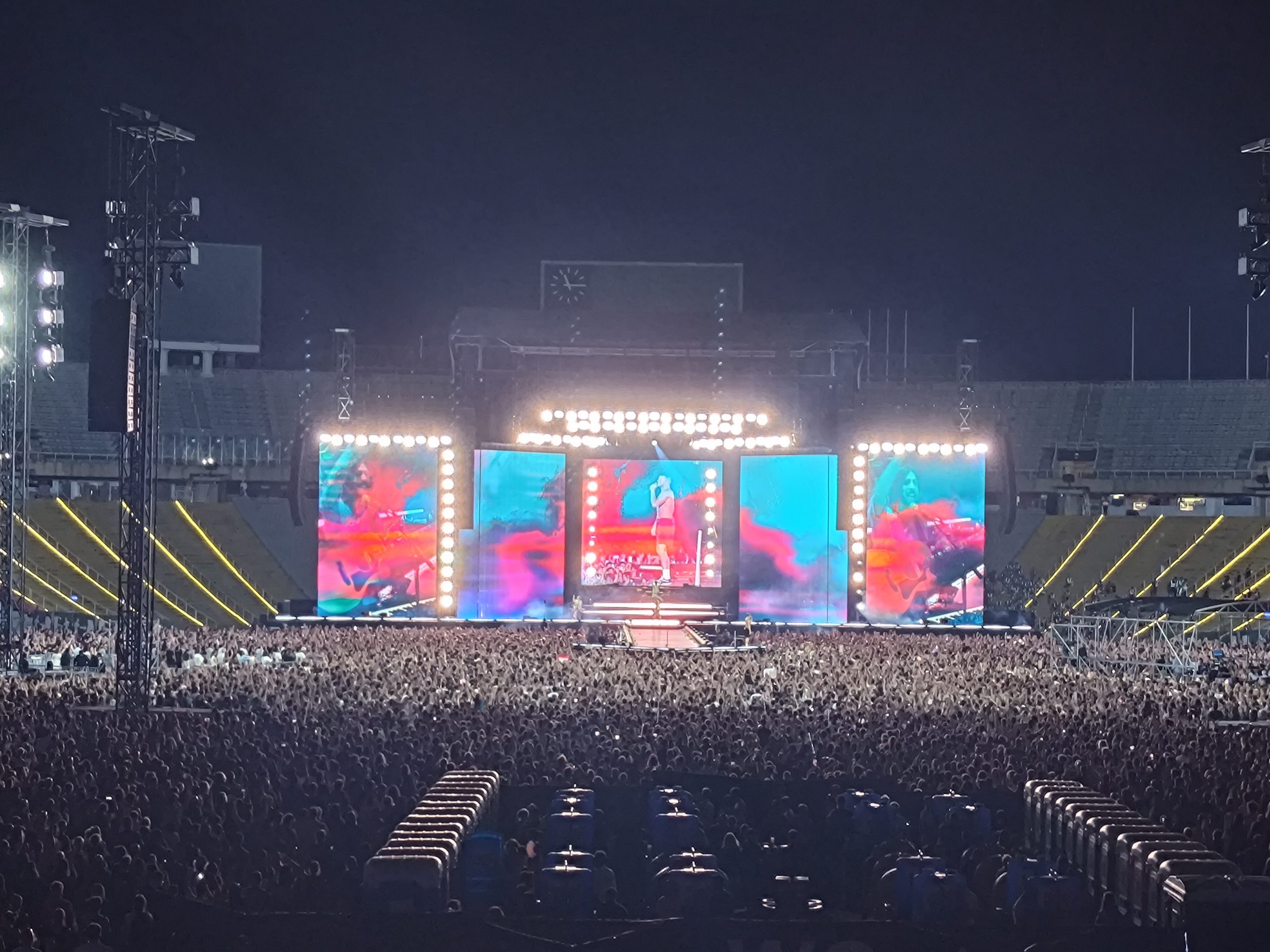
- Arenas and stadiums. The Palau Sant Jordi holds around 18,000 people and receives the biggest international tours, while the Olympic Stadium on Montjuïc hosts stadium shows.
Each step up means bigger budgets, bigger teams and more complex production, ticketing and security. Moving an artist from one level to the next is the core job of agents, promoters and managers.
Barcelona also has world-class heritage venues. The Palau de la Música Catalana and the Gran Teatre del Liceu host classical music, opera and crossover shows, while clubs like Jamboree in Plaça Reial keep the jazz tradition alive.
The small-venue challenge
Small and mid-size rooms are where artists build audiences, but their margins are tight. The Associació de Sales de Concerts de Catalunya (ASACC) represents these venues and runs Curtcircuit, a concert circuit that has brought around 95,000 people to more than 60 Catalan venues. Its leaders describe an industry moving at two speeds: booming festivals and a struggling club circuit.
The same tension appears in the 2025 figures: more concerts and bigger audiences, but higher artist fees and costs that limit profitability. Understanding this business model, not just the music, is what separates a promoter who lasts from one who closes after two seasons.
Beyond the stage: Barcelona’s music business ecosystem
The Catalan music industry is a real economic sector, not a hobby scene. A report by ACCIÓ, the Catalan government’s business agency, counted 379 music companies with €854 million in turnover and 4,088 jobs. 55% of those companies are based in Barcelona, and live music accounts for 73% of the jobs.
Who’s who
- Festival and live companies. Primavera Sound and Advanced Music (the company behind Sónar) are Barcelona-born brands that now export their festivals worldwide. The Project produces the Voll-Damm Jazz Festival. Concert and festival promoters alone bring in almost 40% of the sector’s revenue in Catalonia.
- Music tech. More than 50 Catalan companies build technology for music. BMAT, founded in Barcelona in 2005, tracks music usage across radio, TV, venues and streaming so rights holders get paid. SonoSuite, a distribution platform, is also headquartered in the city.
- Associations and networks. Barcelona Music Tech Hub connects startups, investors and industry from The Venue Barcelona at the Olympic Stadium. ASACC represents venues, APECAT represents promoters, and Barcelona Music Lab works on sector development.
- Recorded music. Labels, publishers, studios and distributors make up 27% of Catalan music companies, though they bring in a much smaller share of revenue than live music.
Where the industry meets
Three professional events make Catalonia a networking hub. Primavera Pro turns the CCCB into an international industry conference during Primavera Sound week. Sónar+D brings together music, creativity and technology, and hosts startup pitch sessions. The Mercat de Música Viva de Vic, an hour from Barcelona, gathers more than 1,200 accredited professionals every September.
For anyone building a career, these events matter as much as the festivals themselves. They are where booking deals are made, where startups find partners and where students meet their future employers.
Music business careers in Barcelona
Most music jobs in Barcelona are business jobs, not performing jobs. With live music providing nearly three out of four music industry jobs in Catalonia, the strongest demand is for people who can plan, sell, produce and manage. These are the roles you will find most often:
- Booker and promoter. Choose artists, negotiate fees and fill rooms. Promoters, venues and festivals all hire them.
- Production and event manager. Turn a booking into a show: stages, crews, schedules, suppliers and safety. Festivals hire large production teams every season.
- Artist hospitality and tour manager. Look after artists from the airport to the stage, and keep tours on time and on budget.
- Ticketing and audience development. Pricing, sales platforms, access control and data on who buys and why.
- Sponsorship and partnerships. Find and manage the brands that help finance festivals and venues.
- Marketing and social media. Campaigns, content and communities for festivals, venues, labels and artists.
- Artist manager. Plan an artist’s career, team and income, often working with agencies based in the city.
- Rights, data and product roles. Music tech companies like BMAT and SonoSuite need people who understand both music and technology.
For salary ranges by role, see our guide to the top paying jobs in the music industry.
How to get your first job in the scene
- Work the season. Festivals hire large temporary teams from spring to summer. Production, artist hospitality and accreditation roles are classic first jobs.
- Go where the industry meets. Primavera Pro, Sónar+D and the Mercat de Música Viva de Vic are the best places to meet bookers, promoters and startups in person.
- Start small. Clubs and mid-size venues need help with production, promotion and social media all year. Experience there counts.
- Speak the languages. English is the working language at international festivals, but Spanish, and ideally some Catalan, opens doors in local companies.
- Learn the business side. Employers look for people who understand budgets, contracts, data and marketing, not just music taste.
Barcelona music calendar 2027
If you plan to study or work in Barcelona in 2027, these are the key moments of the year:
- Primavera Sound: 2 to 6 June 2027. The festival celebrates its 25th edition at the Parc del Fòrum, with Primavera Pro running alongside it.
- Sónar and Sónar+D: mid-June. Traditionally held one or two weeks after Primavera Sound.
- Cruïlla: July. Four days of music by the sea at the Parc del Fòrum.
- Mercat de Música Viva de Vic: September. The main professional market for Catalan live music.
- Voll-Damm International Jazz Festival: autumn. Concerts across the city’s halls and clubs.
Dates for Sónar, Cruïlla, Vic and the jazz festival are usually announced several months in advance, so check the official websites before you plan your trip.
Why study music business in Barcelona
Studying in Barcelona means learning inside the industry, not just about it. The festivals, venues and companies in this guide are a short metro ride from class. Case studies become places you can visit, events you can attend and people you can meet.
At HTL Music Business Academy, our campus at Carrer Diputació 282 sits in the heart of the Eixample. Our programmes are built around the jobs described above:
- Master Music Business Management for a complete view of the industry, from artist management to marketing and live events
- Live Music Events and Tours Organisation for future festival and tour professionals
- Artist Personal Management for aspiring managers
- Strategic Marketing for Music Business and Social Media Management for Music Business for marketing roles
Our teachers are working professionals in events, management and marketing, and our students come from 56 countries. That international mix reflects the city itself, where most Primavera Sound fans now come from abroad.
Ready to build your music career in Barcelona? Explore our programmes or contact our admissions team to find the right path for you.
Frequently asked questions
What are the biggest music festivals in Barcelona?
The three largest are Primavera Sound (287,000 attendees in 2026), Sónar (around 150,000) and Cruïlla. Primavera and Sónar take place in June, Cruïlla in July. The Voll-Damm International Jazz Festival runs in autumn.
How big is the music industry in Barcelona?
Catalonia’s music industry includes 379 companies with €854 million in turnover and more than 4,000 jobs, according to ACCIÓ. More than half of these companies are based in Barcelona. Primavera Sound alone generated over €344 million for the city in 2026.
What music industry jobs are available in Barcelona?
Most jobs are in live music: festival production, booking and promotion, artist hospitality, tour management, ticketing, sponsorship and marketing. The city also has music tech companies hiring data, product and rights specialists.
When is Primavera Sound 2027?
Primavera Sound 2027 takes place from 2 to 6 June 2027 at the Parc del Fòrum in Barcelona. It is the festival’s 25th edition.
Do I need to speak Spanish to work in Barcelona’s music industry?
International festivals and music tech companies often work in English. However, Spanish is a strong advantage for local venues, promoters and labels, and Catalan is a plus.
Is Barcelona a good place to study music business?
Yes. Barcelona combines major international festivals, a large venue circuit, professional conferences like Primavera Pro and Sónar+D, and a growing music tech sector. Students can see the industry in action while they learn.


About Post Author
