


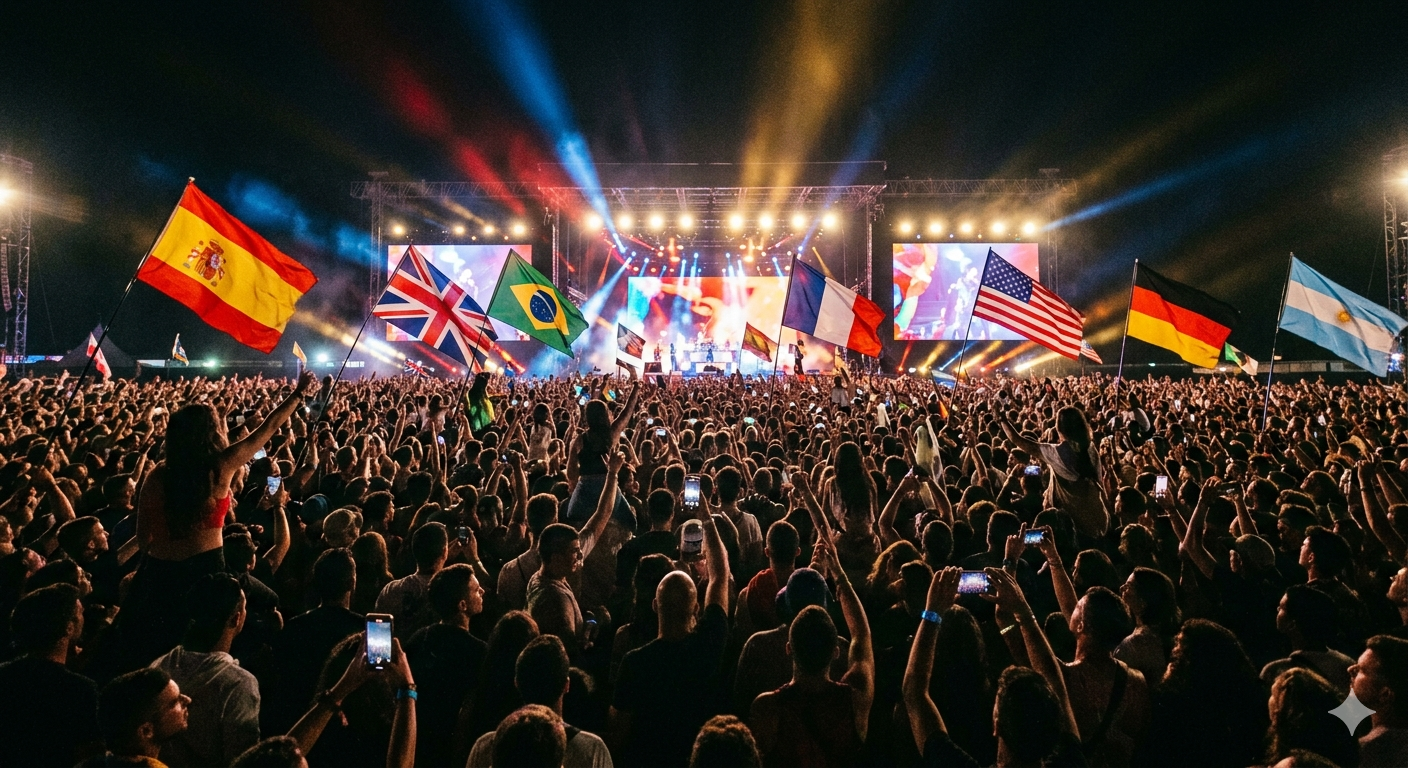
How Music and Politics Have Always Been Connected (And Why It Matters Today)
Music and politics have been intertwined for more than a century, serving as the soundtrack to movements and rebellions that changed society. For instance, the Civil Rights Movement in the 1960s used music to amplify its message, particularly during the 1963 March on Washington. This example demonstrate the relationship between music and politics extends beyond entertainment. Music holds unique power to trigger emotional responses, build meaningful bonds, and bridge cultural divides. In this article, we’ll explore how music power and politics have shaped history and why this connection remains vital in our world today.
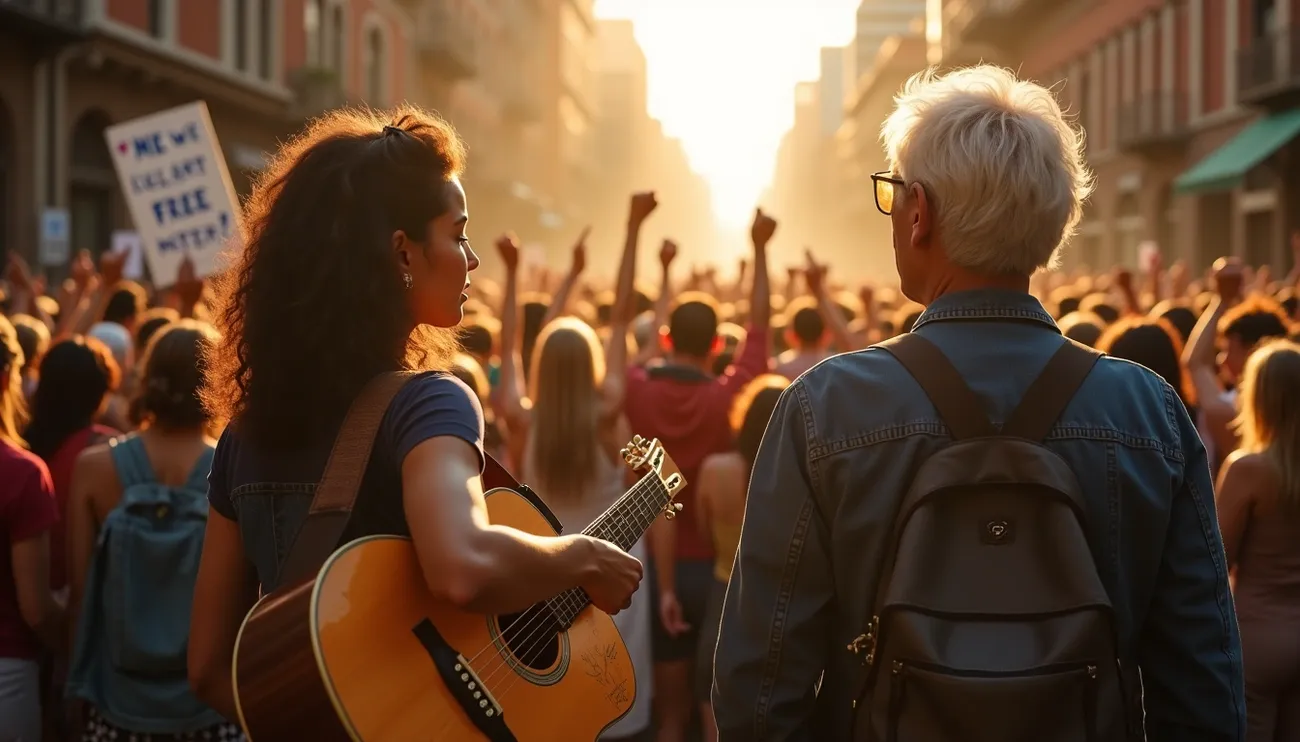
The Historical Roots of Music and Politics
The State Department recognized the power of the relationship between music and politics when it launched the Jazz Ambassadors program in 1956. Dizzy Gillespie became the first musician sent abroad, performing with a racially integrated band and Quincy Jones as music director. His Athens concert created such enthusiasm that audiences carried him through the streets. The program reached strategically important regions, with hundreds of musicians performing jazz, classical, folk, and blues to thousands of listeners at each stop.
These tours built complex worldwide social relationships. In Bolivia, the University of Michigan Jazz Band’s 1965 performance became a catalyst for political exchanges between American Embassy officials and Bolivian student leaders. In Poland, Dave Brubeck’s quartet performed behind the iron curtain, where audiences had been denied jazz since Soviet takeover. Similarly, audiences in regions lacking exposure to American culture experienced music that represented freedom and improvisation.
The civil rights movement demonstrated music power and politics through a different lens. Martin Luther King Jr. called freedom songs “the soul of the movement,” explaining that activists sang them “for the same reason the slaves sang them, because we too are in bondage”. Songs provided courage during the 1961 Freedom Rides, when protesters sang in Mississippi’s Hinds County Jail, making it “rock with unrestrained singing of songs about Freedom and Brotherhood”.
Music Power and Politics: How Sound Shapes Society
Protest songs transformed political movements by providing shared language and emotional resonance to causes fighting for social justice. ‘We Shall Overcome’ became the anthem of the American Civil Rights Movement, with its simple yet powerful lyrics encapsulating determination and hope for millions fighting racial segregation. Martin Luther King Jr. referenced the song in speeches, and protesters sang it during the Selma to Montgomery marches in 1965. Its influence extended beyond U.S. borders, as activists in Northern Ireland, South Africa, and India adopted it to voice their own struggles for liberation.
John Lennon’s ‘Imagine’ spoke to broader visions of world peace during the Vietnam War, becoming a universal anthem for anti-war protests and humanitarian efforts. Folk musicians like Bob Dylan played pivotal roles in voicing public dissent, with ‘Blowin’ in the Wind’ symbolizing questioning and rebellion. In South Africa, musicians like Hugh Masekela and Miriam Makeba united people against apartheid. Latin America’s Nueva Canción movement used folk-inspired music to resist oppressive regimes, with artists like Víctor Jara composing songs that expressed pain and resilience.
Accordingly, research demonstrates that music preferences now correlate with political attitudes, as people prefer music sharing their worldview. The more closely someone aligns with a political party, the more likely they listen to music supporting their beliefs and ideology.
The Relationship Between Music and Politics Today
Popular artists find themselves navigating an impossible paradox. They’re expected to stand for something while their message gets scrutinized by an unforgiving audience. When Kendrick Lamar performed at Super Bowl LIX before 133.5 million viewers, his red, white, and blue esthetic sparked debate. Was it powerful or propaganda? Beyoncé faced similar questions when the American flag appeared on her Cowboy Carter album cover.
In reality, these artists operate under capitalism’s constraints while fans demand they function as civil saviors. Selena Gomez experienced this tension firsthand when she posted an emotional video about mass deportations, only to delete it minutes later after backlash. “Apparently it’s not OK to show empathy for people,” she wrote.
In many countries administrations regularly attack musicians who oppose them, while unauthorized use of artists’ songs at rallies continues despite legal objections. Musicians have limited recourse when politicians exploit their work without permission, often resorting to public statements rather than costly lawsuits.
Sometimes, music and politics connection play out negatevily for the artists. With the concets and performances being canceled or the tickets not selling due to the artist´s nationality. We may simply forget about separating the artistic persona and their political believes. Or think about the Eurovision song contest and people judging the performance based on their feeling about the country and not the song itself.
Conclusion
Music and politics have shaped each other throughout history, from Jazz Ambassadors breaking cultural barriers to protest songs fueling movements for justice. Today, artists continue this tradition despite facing backlash and political exploitation. Their work matters because music remains one of our most powerful tools for expressing dissent, building solidarity, and challenging injustice. Indeed, when artists speak up they’re not just making noise but carrying forward a legacy that has always defined music’s role in society.We should not forget that judging the artists based on their nationality instead of their talent creates the unnecessary stress and ruins tha main meaning of the music. Building the artistic persona is already difficult, let´s not complecate the things even more. Let music be free!


About Post Author
