


TikTok vs YouTube Shorts: What Actually Worked for Musicians in 2025
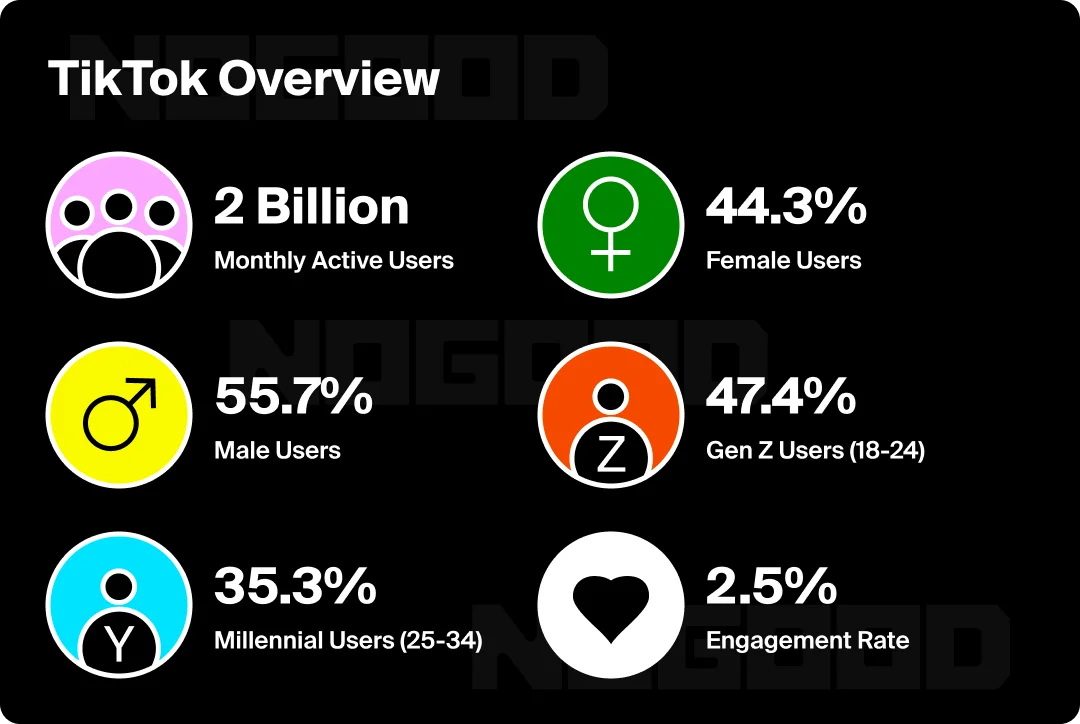
TikTok vs YouTube Shorts presents one of the biggest dilemmas for musicians in 2025. With TikTok boasting 1.59 billion monthly active users and projections showing it will reach 2 billion users this year, the platform has become unavoidable in music marketing. However, YouTube Shorts offers its own compelling advantages that many artists overlook.
When comparing YouTube Shorts vs TikTok, we need to look at both reach and results. While TikTok generates more conversation with an average of 54 comments per video compared to just 20 on Shorts, YouTube Shorts often delivers deeper engagement and conversion as viewers are more likely to click through to full tracks and subscriptions. This fundamental difference affects not only visibility but also monetization potential on each platform.
In this guide, we’ll examine which platform actually works better for musicians in 2025, breaking down the strengths and weaknesses of both. We’ll explore how TikTok drives fast top-of-funnel awareness while YouTube Shorts might better serve your long-term career goals. Whether you’re just starting out or looking to optimize your existing social strategy, this comparison will help you invest your time where it counts most.
TikTok for Musicians: Fast Growth and Viral Potential
Music discovery has fundamentally shifted to social platforms, with TikTok emerging as the undisputed leader for musicians seeking rapid exposure. The platform’s impact on the industry is staggering – 8 out of 10 Billboard #1 hits in 2025 experienced a viral TikTok moment first. Furthermore, 84% of songs entering the Billboard Global 200 went viral on TikTok before charting elsewhere.
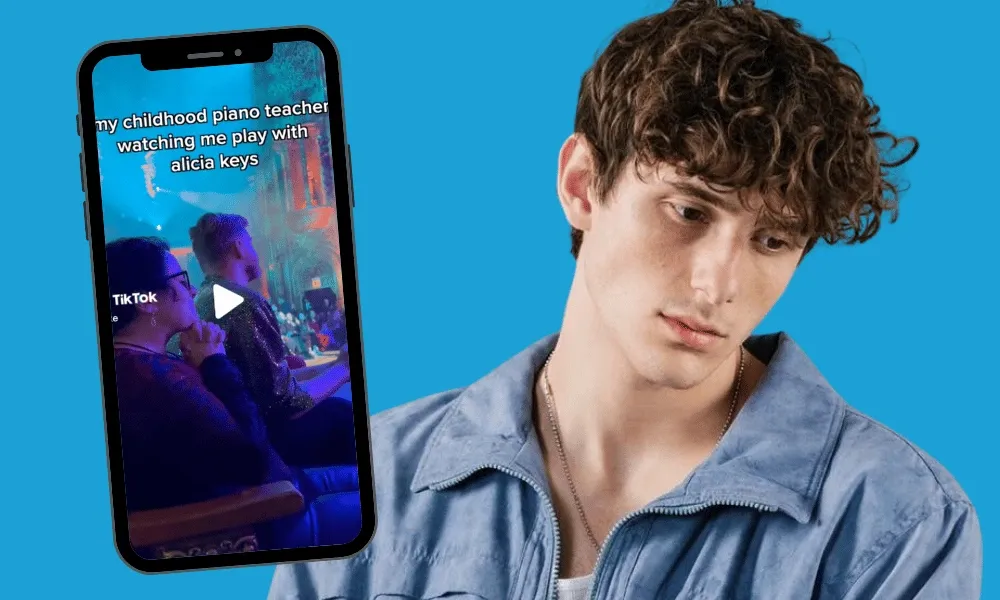
Unlike YouTube Shorts, TikTok excels at creating overnight sensations. Its algorithm uniquely revitalizes older tracks while simultaneously launching new artists into the spotlight. Notably, TikTok users are 74% more likely to discover and share new music than average short-form video users.
The platform’s “Add to Music App” feature, which has saved over 3 billion tracks to streaming services, creates a direct pipeline from discovery to monetization. This explains why TikTok-correlated artists experience an 11% week-over-week streaming growth compared to just 3% for others.
For musicians comparing tiktok vs youtube shorts monetization potential, it’s worth noting that some artists generate up to $10,000 monthly just from TikTok Lives. The platform’s TikTok for Artists dashboard provides crucial analytics on song performance, audience demographics, and engagement metrics.
TikTok’s unique advantage lies in its ability to transform casual listeners into super-fans who spend 46% more on music monthly than average music consumers.
YouTube Shorts: Long-Term Strategy and Monetization
While TikTok excels at viral moments, YouTube Shorts offers musicians something more valuable: sustainable growth. YouTube’s ecosystem connects your Shorts directly to your longer content, essentially creating a funnel that drives traffic to your more monetizable videos.
YouTube Shorts significantly expands your reach, with Shorts tripling the average artist’s audience of unique viewers. Additionally, artists active on Shorts see over 60% of their new subscribers coming directly from their Shorts posts. This translates to approximately 16.9 new subscribers per 10,000 Shorts views.
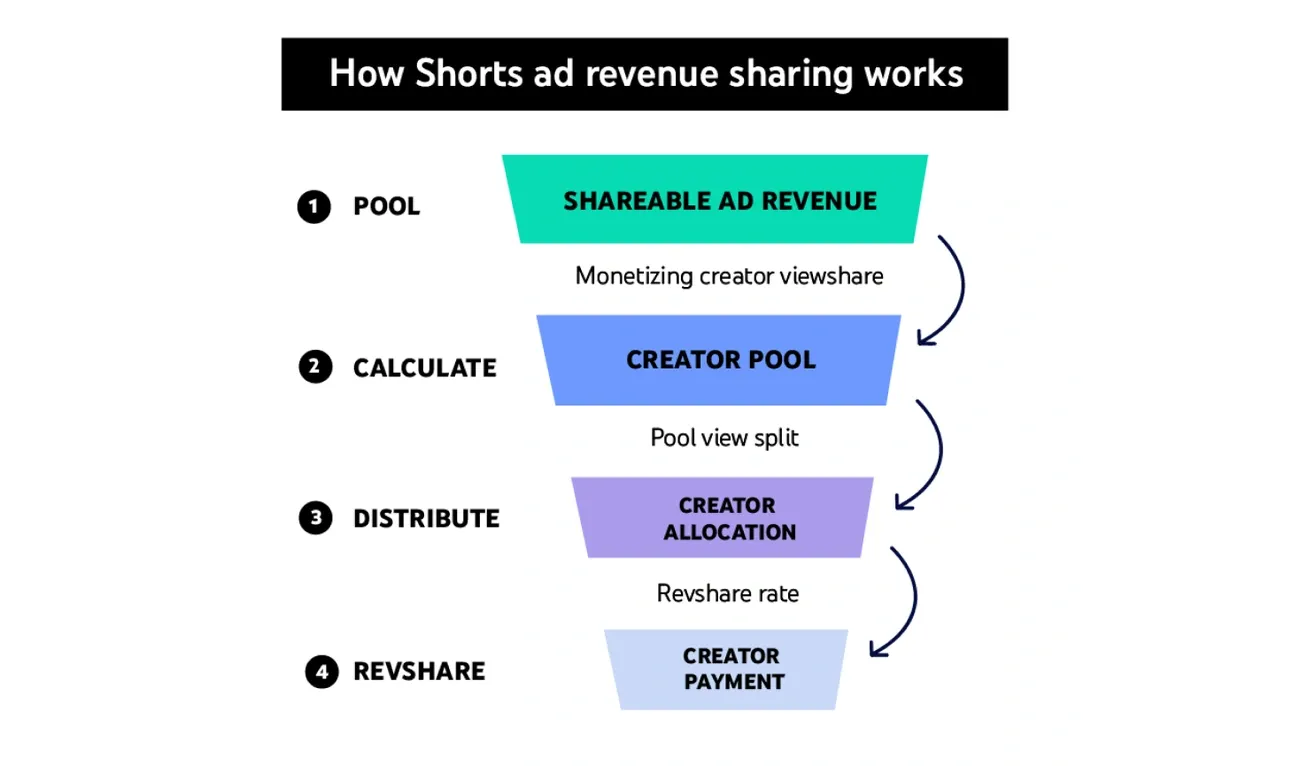
Regarding monetization, YouTube Shorts offers clearer revenue paths through the YouTube Partner Program. To qualify, you need 1,000 subscribers plus either 4,000 watch hours in the last 12 months or 10 million legitimate Shorts views within 90 days.
The platform’s analytics tools provide comprehensive insights into performance, allowing musicians to track song usage across Shorts, view audience demographics, and identify top traffic sources. These metrics help optimize your content strategy.
Importantly, YouTube’s recommendation system encourages viewers to explore channels and subscribe, fostering lasting connections with creators. YouTube makes this seamless through direct linking between Shorts and long-form videos, helping convert casual viewers into dedicated fans.
By 2025, YouTube Shorts could become the dominant platform for creators seeking both reach and revenue stability, making it an essential component of any musician’s long-term strategy.
TikTok vs YouTube Shorts: What Worked Best in 2025
In 2025, choosing between these platforms comes down to understanding their unique strengths. The data reveals distinct platform personalities that smart musicians leverage strategically.
Looking at pure engagement, TikTok maintains the edge with a 2.34% engagement rate versus YouTube Shorts’ 0.91%. TikTok also generates significantly more conversation—averaging 54 comments per video compared to Shorts’ 20.
Nevertheless, audience composition remains a crucial factor. TikTok primarily attracts Gen Z users who crave ever-changing, interactive content, whereas YouTube Shorts reaches a more diverse demographic with its largest segment (21.2%) between 25-34 years old.
Timing your content differently across platforms yields better results. For YouTube Shorts, Monday and Tuesday posts generate better engagement as viewers seek fresh content at the week’s start. Meanwhile, TikTok’s algorithm rewards consistency—many successful musicians post 40-60 videos per song release.
In fact, the most successful strategy in 2025 involves using both platforms as complementary tools: TikTok as your “awareness engine” for quick hits and trend engagement, with YouTube Shorts functioning as your “conversion funnel” for performance clips and traffic to full uploads.
Rather than seeing these platforms as competitors, consider them partners in your music promotion strategy—each serving distinct roles in building your career.
Conclusion
The battle between TikTok and YouTube Shorts presented musicians with both challenges and opportunities in 2025. Throughout this analysis, we’ve seen how TikTok excels at creating viral moments, driving music discovery, and generating rapid exposure with its superior engagement rates. Meanwhile, YouTube Shorts offers sustainable growth, clearer monetization paths, and better conversion of casual viewers into dedicated fans.
Success in today’s digital landscape depends not on choosing one platform over the other but rather understanding how each serves different purposes in your music promotion strategy. TikTok functions as your awareness engine—perfect for quick hits, trend participation, and reaching younger audiences. Conversely, YouTube Shorts works as your conversion funnel, connecting short-form content to your long-form videos and helping build lasting relationships with fans.
Most successful musicians now adopt a dual-platform approach. They first capture attention through TikTok’s viral potential, then direct that audience toward YouTube Shorts for deeper engagement and monetization. This strategy acknowledges the unique strengths of each platform while mitigating their individual weaknesses.
Ultimately, the question isn’t whether to choose TikTok or YouTube Shorts—it’s how to use both effectively. Artists who thrive in 2025 will be those who adapt their content specifically for each platform’s audience, timing, and algorithm preferences. Therefore, instead of viewing these platforms as competitors, consider them essential, complementary tools in your music promotion arsenal—each playing a vital role in building your career and connecting with fans.


About Post Author
