


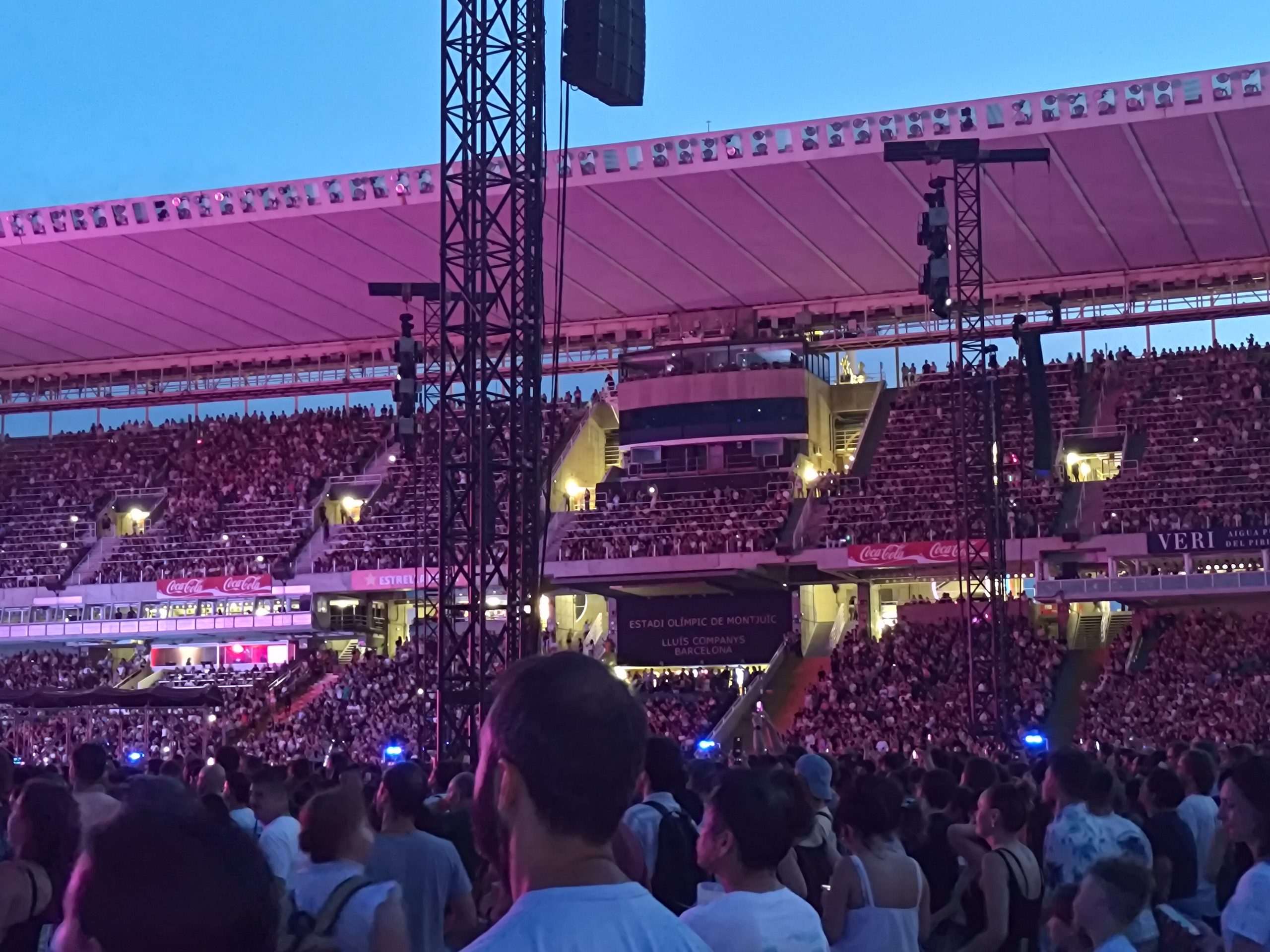
What Is Blue Dot Fever and How Can Artists Avoid It?
Blue dot fever has become impossible to ignore as concert ticket prices soar from $82 in 2020 to $144 in 2026. Indeed, major artists like Meghan Trainor, Zayn, Post Malone, and Jelly Roll have canceled significant portions of their tours, signaling a crisis in the live music industry. The term refers to unsold tickets marked as blue dots on Ticketmaster seating maps, revealing empty venues that eventually lead to concert cancelations. Understanding why artists cancel concerts and implementing effective artist management strategies are essential for avoiding blue dot fever. In this article, we’ll explore how to do it through smart pricing, strategic planning, and lessons from artists who’ve maintained sold-out shows despite industry challenges.
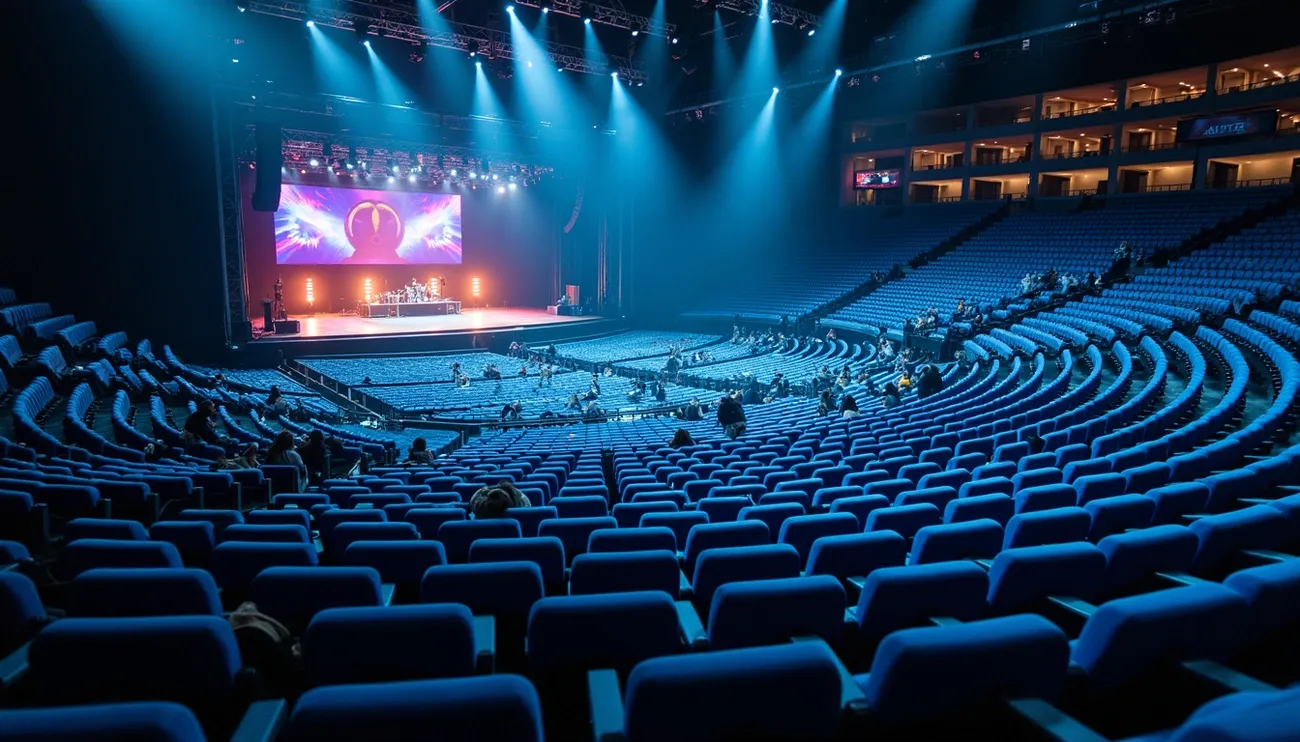
Understanding the Blue Dot Fever Phenomenon
The phenomenon gets its name from Ticketmaster’s interface, where blue dots mark unsold tickets directly from event organizers. When fans browse seating maps and see sections filled with these indicators, they’re witnessing what insiders now call blue dot fever. In truth, this isn’t an official industry term but rather informal language that emerged through online discussions.
The “fever” label reflects how contagious the problem became in 2026, with multiple high-profile tours experiencing the same issue simultaneously. Artists like Post Malone, who previously generated $170 million in tour revenue, suddenly faced venues dotted with available seats. Similarly, Jennifer Lopez, Meghan Trainor, and Zayn Malik all saw fans posting screenshots showing abundant blue dots across their concert maps.
Nathan Green, CEO of New Level Radio, pointed out that “artists are getting booked into rooms too big for where they sit today”. High social media engagement doesn’t necessarily translate into actual ticket purchases, creating a disconnect between perceived and real demand.
The situation worsens through a psychological effect. Green noted that fans see the blue-dotted maps, decide the show isn’t worth attending, and more seats stay empty. By the same token, empty seats sell more empty seats, creating a downward spiral that can doom entire tours.
Root Causes of Blue Dot Fever
Several systemic failures created the conditions for blue dot fever to spread across the industry. Ticket pricing has spiraled beyond what most fans can afford. A concert ticket that cost $6.50 in 1983 would be $21.50 after inflation, but actually costs $397.70 for comparable seating.
Besides pricing, venues themselves pose problems. Agents and promoters book artists into oversized rooms for bigger paydays, not realistic sales projections. Mid-level touring artists dropped from 19% of the market in 2022 to just 12% in 2025, squeezed out by rising costs and venue availability. Green explained that “the reason a developing artist ends up in a 20,000-seat arena is that the agent and the promoter want a bigger payday”.
Economic stress compounds these issues. Around 66% of U.S. employees report burnout, with millennials comprising roughly 75% of the global workforce. More than 70% of millennials say stress has driven them to consider changing jobs. Given that fans are stretched thin financially and emotionally, expensive concert tickets become expendable luxuries rather than essential experiences.
Artist Management Strategies to Prevent Blue Dot Fever
Preventing blue dot fever requires artist management to fundamentally rethink how they price tickets, select venues, and track sales data. Smart pricing protects fans from being priced out while maintaining profitability. Olivia Rodrigo launched the Silver Star ticket program with Live Nation, offering limited tickets at $20 plus fees to make shows accessible. What is more, some artists cap resale prices to prevent inflated markups that drive fans away.
Venue selection demands data-driven decisions rather than relying on social media metrics alone. Management teams should use event pre-registration tools to gage actual fan interest before locking in venue size. Sales velocity tracking provides the most immediate indicator of whether a show will succeed or struggle. Promoters who check daily velocity during active sales periods catch problems early enough to adjust marketing spend or pricing.
Tour routing matters significantly. Strategic scheduling clusters nearby cities to reduce travel time while alternating intensive festival dates with single-night shows to prevent artist burnout. Picking venues that match an artist’s current market position rather than aspirational capacity prevents empty rooms. An artist’s relationship with local communities impacts ticket sales substantially. Performers with deep regional ties or loyal local fanbases boost attendance through genuine connection rather than speculative bookings.
Conclusion
Blue dot fever won’t disappear without deliberate action from artists and their management teams. Without doubt, the solution lies in realistic pricing, venue selection based on actual data rather than social media hype, and continuous sales monitoring. Artists who prioritize fan accessibility over maximum revenue consistently fill rooms, while those chasing inflated ticket prices watch venues empty. Join our Diploma program to learn those strategies now, before blue dots turn into canceled shows and damaged careers.


About Post Author
