


What Spotify Doesn’t Tell You: The Dark Side of Music Streaming Industry
The music streaming industry has revolutionized how we consume music, but the reality behind those convenient playlists is far darker than most users realize. While streaming accounted for 83% of the music industry’s revenue, artists themselves are left with pennies. Despite Spotify boasting over 500 million active users and more than 200 million paying subscribers, the platform typically pays artists between $0.003 and $0.005 per stream.
 Let’s put this in perspective: to earn the equivalent of minimum wage in the U.S., musicians need over a million streams per month. This stark reality reflects how Spotify changed the music industry in ways that primarily benefit the platforms themselves. In fact, worldwide recorded music revenues totaled $26.2 billion last year, up 9% from the previous year’s $24 billion, with streaming services alone accounting for 67% of the industry’s total haul. However, approximately 70% of a streaming platform’s revenue goes to rights holders such as record labels and publishers, not directly to artists. Throughout this article, we’ll explore the uncomfortable truths about the streaming era that platforms would prefer you didn’t know.
Streaming’s promise vs. reality
When streaming platforms first emerged, they promised a musical utopia: artists would connect directly with fans, gatekeepers would vanish, and musicians everywhere would have equal opportunity to succeed. Fast forward to today, and this rosy vision looks increasingly like a mirage.
The illusion of democratization
The streaming era initially appeared to level the playing field. Any artist could upload their music and theoretically reach millions of listeners worldwide. Nevertheless, this apparent democratization masks a different reality. Though more music is available than ever before—with over 100,000 new tracks uploaded daily to major platforms—the vast majority remains essentially invisible.
Instead of breaking down barriers, streaming services have created new ones. Playlist placement has become the new radio, yet these influential playlists are dominated by major label artists. Additionally, algorithmic recommendations tend to favor already-popular tracks rather than helping listeners discover truly independent music.
The much-touted “long tail” theory—where digital distribution would allow niche artists to thrive—hasn’t materialized as expected. Rather, the attention economy of streaming has concentrated more listens and revenue among fewer superstars than in previous eras.
Who really benefits from streaming platforms?
Following the money reveals streaming’s true beneficiaries. Major record labels stand at the top of this pyramid—Universal, Sony, and Warner collectively control approximately 70% of the global recorded music market. These industry giants negotiated favorable deals with streaming platforms, including equity stakes and minimum guarantees.
The platforms themselves rank next in the hierarchy. Despite claims of slim margins, Spotify’s market capitalization has reached billions, creating enormous wealth for executives and shareholders. Meanwhile, the platform’s payout structure inherently favors major label artists with massive catalogs.
At the bottom sit most working musicians. For them, streaming has replaced physical sales and downloads with fractions of pennies. Even moderately successful independent artists often earn more from live performances, merchandise, and direct fan support than from streaming income. The fundamental economics of the music streaming industry reveal a system designed primarily to benefit corporate interests rather than creators.
The streaming model hasn’t revolutionized music economics—it has simply redistributed power among different gatekeepers.
The economics Spotify doesn’t advertise
Behind Spotify’s sleek interface lies a financial reality that few users ever glimpse. Let’s dive into the cold, hard numbers that explain why so many musicians struggle to survive in the streaming era.
How much does Spotify pay per stream?
The truth about Spotify’s payment model is sobering. Artists typically receive between $0.003 and $0.005 per stream—essentially fractions of a penny for each time someone plays their song. Furthermore, this rate isn’t even fixed; it fluctuates based on factors like user subscription type, country of listener, and overall platform revenue.
Compared to traditional sales models, these numbers are dismal. Consider that a single album purchase at $10 would require approximately 2,000-3,000 streams to generate equivalent revenue for an artist. Obviously, this represents a fundamental shift in how music generates income.
Why most artists can’t make a living
The math simply doesn’t add up for most musicians. To earn the U.S. federal minimum wage ($15,080 annually), an artist would need over 3 million streams per year—or about 250,000 monthly streams. Consequently, only a tiny fraction of artists can sustain themselves through streaming revenue alone.
This economic reality forces musicians to view streaming primarily as a promotional tool rather than a viable income source. Generally, artists now depend on touring, merchandise, and direct fan support through platforms like Patreon to supplement their meager streaming earnings.
The power imbalance with major labels
Major record labels—Universal, Sony, and Warner—hold extraordinary leverage in the streaming economy. These companies control approximately 70% of the global recorded music market and negotiate preferential deals with platforms like Spotify.
The payment structure itself favors these industry giants. Under the “pro-rata” model, streaming revenue goes into a collective pool, then gets distributed based on total listening share. This system primarily benefits artists with massive catalogs and marketing budgets.
Independent artists, regardless of their dedicated fan bases, cannot compete in this winner-takes-all economic structure. The current system perpetuates an industry where major labels maintain their dominance, despite the apparent democratization promised by digital platforms.
How algorithms shape what we hear
Algorithms act as invisible conductors orchestrating what music reaches our ears in today’s streaming landscape. These complex digital systems silently shape our listening habits, often without us realizing their profound influence.
The dominance of curated playlists
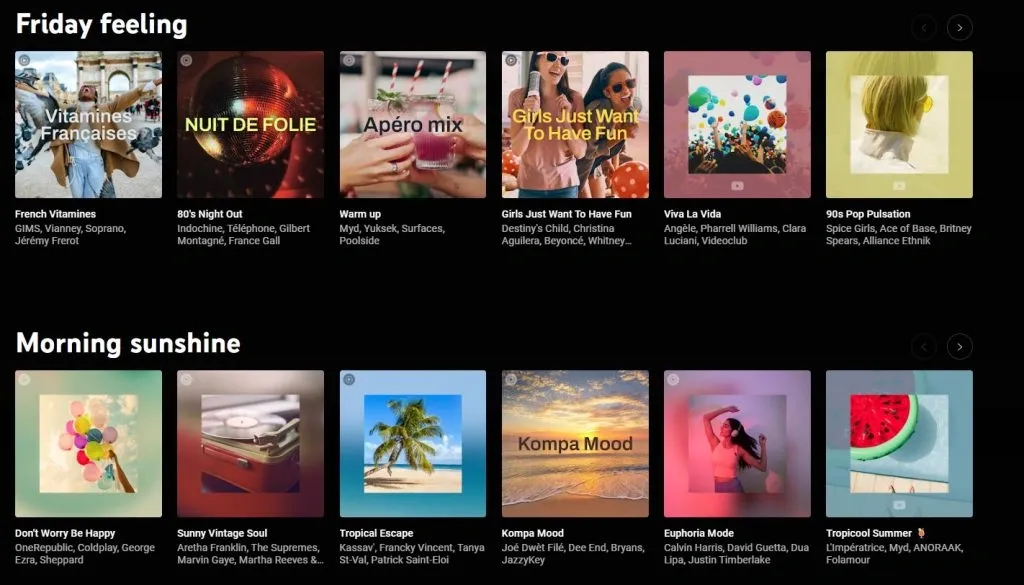
Professionally curated Spotify playlists exert major influence over user listening behaviors. Research shows that over one-third of all music listening on the platform happens through playlists. Notably, platform-generated playlists attract significantly more listeners than collections created by third parties like major music labels. In fact, featuring playlists prominently on Spotify’s search page attracts about two times more followers than the presence of major label superstars on playlists.
Homogenization of music styles
Streaming algorithms prioritize music with broad, mainstream appeal, creating a feedback loop that reinforces popular trends while pushing experimental or niche genres to the margins. This algorithmic preference has tangible effects on music creation itself:
- Song introductions have shortened from an average of 20 seconds in the mid-1980s to just 5 seconds today
- Artists increasingly create “algorithm-friendly” compositions with catchy hooks and repetitive melodies
- Platforms incentivize formulaic production tailored to algorithmic preferences
Impact on independent and niche artists
For independent musicians, these algorithms present a double-edged sword. Studies reveal that Spotify’s algorithmic recommendations disproportionately favor major-label artists over independent or experimental musicians. As a result, experimental, genre-defying, or simply less commercial artists struggle to break through. The system marginalizes niche or avant-garde music, emphasizing content most likely to generate high engagement and profitability.
This creates a self-reinforcing cycle where popular songs get promoted, gain more streams, and become even more popular—primarily benefiting established artists and major labels. Yet simultaneously, platforms like TikTok have enabled unknown independent artists to occasionally reach global audiences through viral trends, showing the rare exceptions to this algorithmic gatekeeping.
The long-term impact on music culture
The streaming revolution has fundamentally altered how we create, consume, and value music as an art form. These changes extend far beyond economics into the realm of cultural significance.
Decline of the album format
Streaming platforms have accelerated the decline of albums as cohesive artistic statements. Currently, approximately 50 million songs are available on major streaming services, yet most listeners engage with individual tracks rather than complete albums. Songs themselves are getting shorter, primarily because streams only count after 30 seconds of play, incentivizing artists to prioritize immediate hooks over musical development. Moreover, album order—once critical to establishing narrative flow—has become increasingly irrelevant in the playlist era.
Rise of disposable content
We now consume roughly 21 hours of music weekly, primarily through streaming, alongside approximately 120,000 new songs uploaded daily. This overwhelming volume creates a culture where music is often treated as ephemeral content. TikTok exemplifies this trend, with 84% of songs entering Billboard’s Global 200 chart going viral there first. Ironically, although access to music has never been easier, our engagement with it has arguably become more superficial—the average human attention span has dropped from 12 seconds in 2000 to just 8 seconds today.
What this means for future generations of musicians
Future artists face a difficult choice: create authentic art with limited financial prospects or engineer trending sounds for algorithmic success. In essence, streaming has created an environment where:
- Multi-release strategies and collectible physical items increasingly replace traditional albums
- Music becomes more homogenized as artists chase playlist placement
- The cultural value of music as artistic expression diminishes under commercial pressure
Ultimately, as streaming continues reshaping the industry, preserving music’s cultural significance will require conscious effort from both creators and listeners.
Conclusion
The music streaming revolution presents a paradoxical reality. While platforms like Spotify have amassed unprecedented wealth and user bases, most musicians struggle to earn living wages from their work. This stark contrast reveals a fundamentally broken system rather than the utopian musical landscape once promised.
Though streaming certainly offers convenience for listeners, we must acknowledge its profound costs. The fractions of pennies paid per stream effectively devalue music as both art and labor. Meanwhile, major labels and tech platforms continue reaping extraordinary profits from this arrangement.
The algorithmic gatekeeping further compounds these issues. Popular artists become more popular through curated playlists and recommendation systems, creating a winner-takes-all economy that primarily benefits industry giants. Consequently, independent and experimental musicians face increasingly steep odds of discovery and sustainable careers.
Perhaps most concerning, however, remains the cultural shift in how we value music. Albums give way to playlists, songs shrink to accommodate attention spans, and artistic expression often takes a backseat to algorithmic optimization. This transformation threatens music’s role as cultural heritage rather than mere consumable content.
Music deserves better than this. Artists deserve fair compensation for their work. Listeners deserve diverse musical ecosystems instead of algorithmically homogenized recommendations. The question now becomes whether we can reshape streaming into something that truly serves creators and fans alike, or if alternative models must emerge to preserve music’s artistic integrity and economic sustainability.
Until then, next time you press play on your favorite streaming service, remember the hidden costs behind those convenient playlists. The future of music depends on our collective recognition that convenient access should never come at the expense of fair treatment for those who create what we love.


About Post Author
