


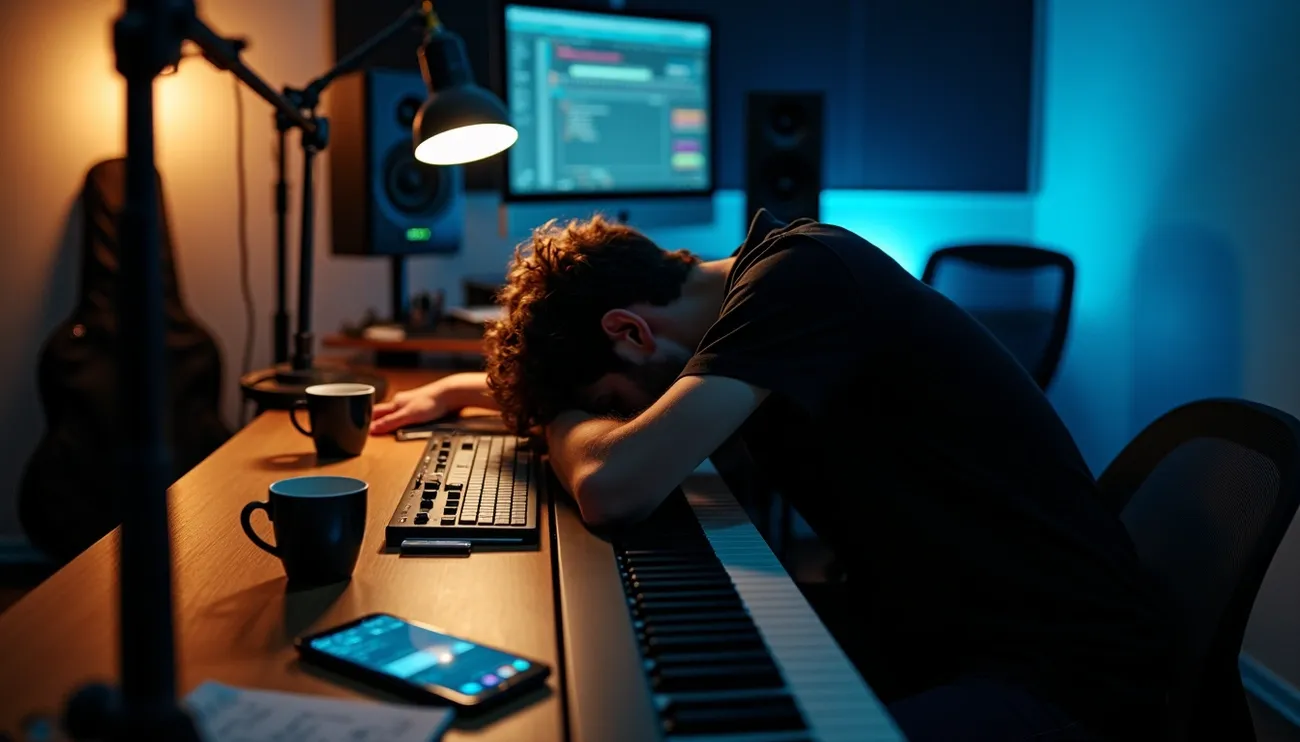
The Hidden Signs of Musician Burnout That Nobody Talks About
Why musician burnout happens has become an increasingly urgent question in today’s relentless music industry. A staggering 71% of surveyed musicians experienced anxiety or depression linked to their work, according to a 2021 study by Help Musicians. This alarming statistic reflects a reality that affects everyone from teenage instrumentalists to the biggest bands in the world.
Musician burnout isn’t simply about feeling tired after a long tour or practice session. In fact, it represents a state of deep mental, emotional, and physical exhaustion that slowly drains the passion and creativity that originally drew artists to their craft. The digital transformation of music has certainly democratized creation and distribution; however, it has also created unprecedented expectations that contribute to musician burn out. Consequently, identifying the hidden warning signs before they escalate is crucial for sustainability in this demanding field.
Throughout this article, we’ll explore the subtle indicators of burnout that often go unnoticed, why they’re frequently overlooked, and most importantly, what you can do if you recognize these symptoms in yourself or fellow musicians. Ultimately, understanding these signs is the first step toward prevention and recovery.
8 Hidden Signs of Musician Burnout That Often Go Unnoticed
The subtle indications of musician burnout often lurk beneath the surface, making them particularly dangerous to overlook. During one musician’s burnout experience, they found themselves “deeply depressed, anxious, and having no motivation to get out of bed”. Many artists struggle silently through these warning signs without recognizing their significance.
Among professional orchestral musicians, a widespread sense of loss in personal music-making alongside anxiety about the future of the industry emerged as common experiences. Additionally, burnout manifests as diminished immune function, with artists reporting they “catch colds and feel under the weather every other week”.
Perhaps most alarming yet frequently dismissed is when musicians begin self-medicating. Some rely on “sugar to get through the day” while “others medicate using alcohol, other types of food, or drugs”. Similarly, creative blocks signal potential burnout, especially when producers feel their “sound is stagnating or they’re recycling the same loops and ideas”.
The isolation factor remains particularly problematic. Music production can become “an isolating journey, especially for those working alone in home studios”. Furthermore, burnout typically generates a disturbing shift in perception toward colleagues as “it might start to be harder to socially interact with them”.
Physical symptoms provide undeniable evidence of burnout, including “tension headaches, digestive issues, sleep problems, or even physical pain”. These manifestations deserve immediate attention rather than being dismissed as normal occupational hazards.
Why These Signs Are Often Missed
The widespread culture of hyperproductivity in music education forms a foundation for missing burnout signs. Students often face “14-16 hour days that don’t allow time to eat, sleep, or think”, creating an unhealthy baseline where exhaustion becomes normalized. Ironically, many musicians mistake burnout symptoms for typical career challenges.
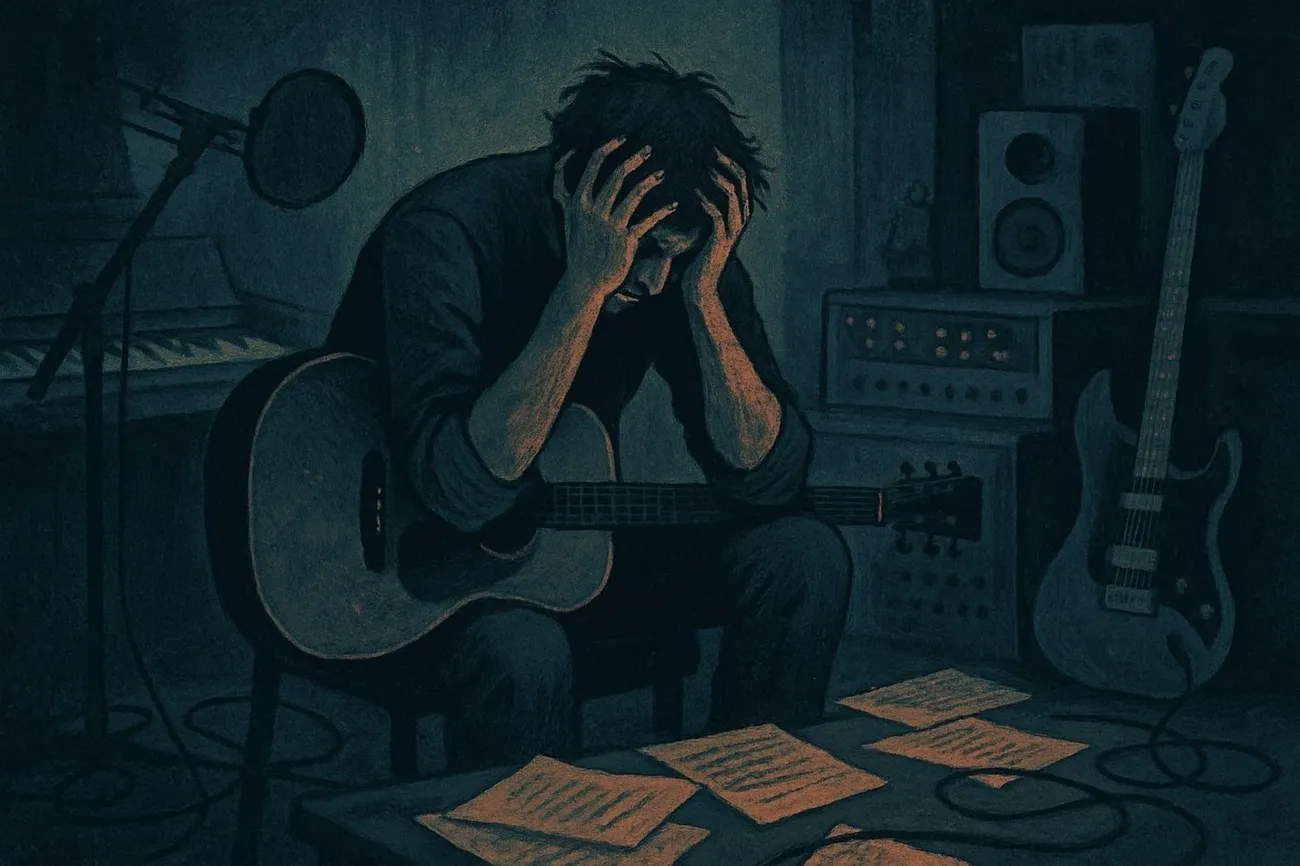
Professional identity fusion presents another substantial obstacle. Musicians frequently “forget that we are also humans beyond the identities we create for ourselves through our work”. This blurring between person and profession makes recognizing unhealthy patterns exceptionally difficult.
Financial realities compound the problem considerably. “Not all musicians are rolling in money” and many “struggle to make ends meet”, forcing artists to accept every opportunity regardless of wellbeing costs. As one musician noted, “when the calendar is empty, you feel like you need to fill it up”.
Perfectionism plays a significant role too. The “constant self-critique can lead to mental fatigue” as musicians internalize criticism, yet dismiss their deteriorating mental state as ordinary occupational stress.
The music industry’s stigma surrounding mental health creates yet another barrier. Since “talking about psychological distress in the music world was taboo” for decades, many musicians lack vocabulary or permission to acknowledge their experiences, ultimately suffering in silence.
What to Do If You Recognize These Signs
Recognizing burnout signals in yourself demands immediate action. Stepping back from the constant pressure is your first crucial step toward recovery. Many musicians report that taking one day off each week transformed their playing, leaving them feeling refreshed with sharper focus and improved technique. This isn’t a luxury—it’s essential maintenance for your most valuable instrument: yourself.
Professional support represents a lifeline when dealing with persistent symptoms. With 71% of musicians experiencing high anxiety or panic attacks, therapy has proven transformative for many artists. Ed Sheeran and Selena Gomez notably credit therapy for maintaining their emotional balance through career pressures.
Moreover, connecting with fellow musicians creates powerful healing opportunities. Sharing experiences with colleagues or joining musical communities combats isolation while providing new creative perspectives. As one recovering artist noted, “I found myself excited to work again, but made a promise to myself to work intentionally and slowly”.
Above all, restructuring your relationship with music requires honesty. Reassess priorities, evaluate commitments, and create space in your schedule. Many artists benefit from developing balanced routines with designated times for practice, rest, and creative exploration. Stromae’s return after years away demonstrates how stepping back can ultimately lead to sustainable creative renewal.
Conclusion
Musician burnout represents a critical yet often overlooked reality in today’s demanding music industry. Certainly, the subtle warning signs we’ve explored—from creative blocks and isolation to physical symptoms and self-medication—deserve serious attention rather than dismissal as normal occupational hazards. These indicators often remain hidden because of several factors working together: the normalized hyperproductivity culture, financial pressures, perfectionism, and the persistent stigma surrounding mental health discussions.
Recognizing these warning signs marks the first crucial step toward recovery. Taking regular breaks, seeking professional support, and connecting with fellow musicians all contribute significantly to healing. Additionally, reassessing your relationship with music might ultimately lead to a more sustainable and fulfilling creative life.
We must remember that musicians are humans first, performers second. Though the pressure to constantly create and perform remains intense, your wellbeing deserves priority. The music industry continues evolving, but sustainability requires acknowledging our limitations as artists. Ultimately, addressing burnout early not only preserves careers but also protects the passion and creativity that drew us to music initially. After all, the best performances come from musicians who care for themselves as carefully as they care for their instruments.


About Post Author
