



How to Build a Music Business Career in 2026: An Industry Guide
A music business career has never been more accessible than it is now. Independent artists account for a significant share of streaming revenues, with many musicians finding success without ever signing traditional record deals. As someone who’s navigated this evolving industry, I’ve witnessed firsthand how platforms like Apple Music, Spotify, and Amazon Music have leveled the playing field for emerging artists.
 In fact, the music industry encompasses everything from rights management and concert logistics to marketing, licensing, and audience development. With this in mind, I’ve created this comprehensive guide to help you break into the music business in 2026. However, remember that success in this field requires more than just passion—it demands a combination of talent, hard work, dedication, and strategic decision-making. Throughout this article, I’ll share my expertise on how to get started in the music business, explore various music career paths, and transform your musical talents into profitable business ideas that can thrive in today’s independent-minded industry.
Find Your Place in the Music Industry
The music industry thrives on a diverse ecosystem of talents beyond what most people see on stage. Understanding where you fit in this landscape is your first crucial step toward building a sustainable music business career.

Identify your strengths and interests
Success starts with honest self-assessment. Take inventory of your existing skills—whether they’re technical abilities, creative talents, or business acumen. Many music professionals bring valuable expertise from other fields; some are therapists, event planners, or executives in demanding roles. Your unique combination of skills and passions creates your competitive edge in this industry. Before diving in, ask yourself: Do you prefer creating or promoting? Do you thrive in collaborative environments or work better independently? These answers will guide your initial direction.
Explore behind-the-scenes and on-stage roles
The music business offers countless pathways beyond performing. Behind every successful artist stands a team of professionals making the magic happen. These roles include:
- Creative roles: Music producers, songwriters, composers, and arrangers
- Technical positions: Audio engineers, sound designers, recording specialists
- Business careers: Artist managers, booking agents, A&R representatives, publicists, label managers
- Support roles: Tour managers, stagehands, event coordinators
Artist managers shape careers and serve as advisors, finding opportunities and negotiating contracts. Audio engineers ensure music is recorded and mixed at the highest quality. Meanwhile, A&R representatives scout emerging talent for record labels, attending shows and festivals to discover tomorrow’s stars.
Stay open to evolving your path
The music industry has undergone dramatic changes in recent years, from the rise of streaming platforms to AI integration. Furthermore, many professionals discover their true calling along the way. As one artist noted, “I thought I wanted to be the frontman, but working in a studio felt much better for me”.
Additionally, staying informed about industry developments is essential. Follow reliable music news sources, understand shifting listener behaviors, and keep pace with technological advancements. Most importantly, remain adaptable—your initial career path may evolve as you gain experience and the industry transforms.
Lay the Groundwork for Your Career
Building a solid foundation is essential for long-term success in the music industry. After identifying your strengths, it’s time to create a strategic plan that transforms your passion into a sustainable career.
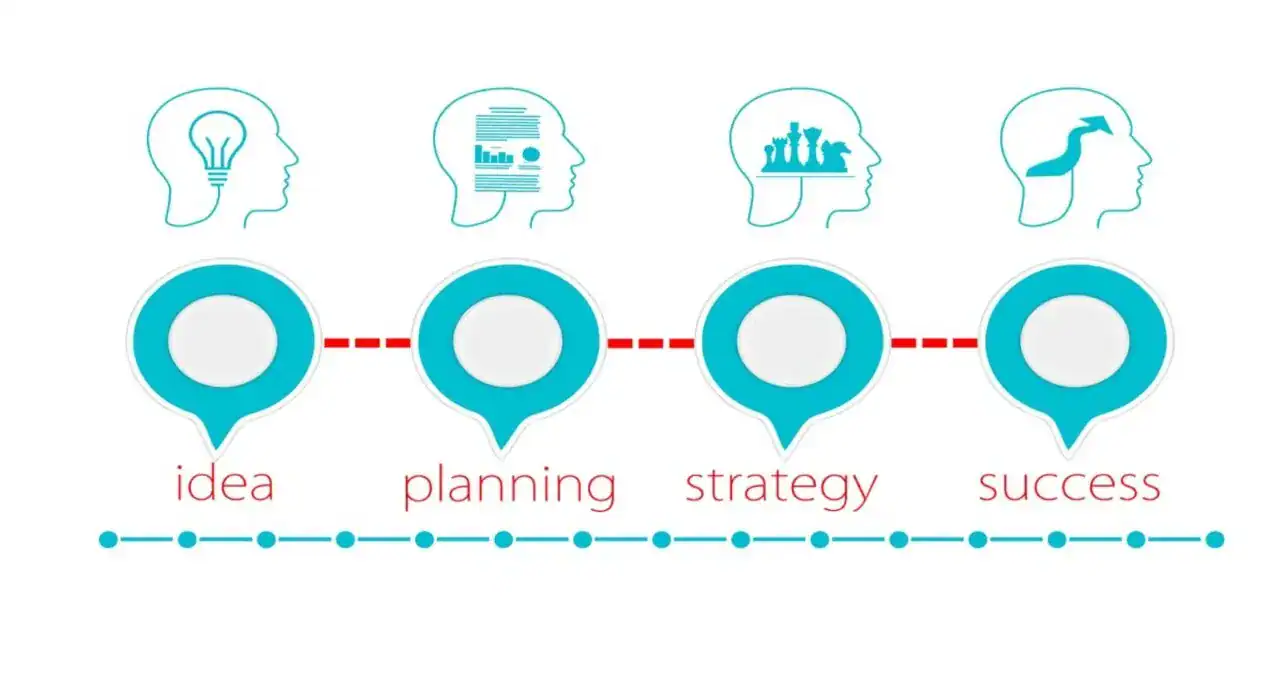
Set short-term and long-term goals
Effective goal-setting provides a clear roadmap for your music career development. Short-term goals should be achievable within 12-18 months, mid-term goals within 1.5-4 years, and long-term goals within 5-10 years. A study found that only 3% of people write down their goals, yet they are three times more likely to succeed than those who merely have mental plans.
The secret lies in specificity—writing “I want to join a band” is merely a wish; instead, try “To join a band by November, I will post videos on social media, attend concerts, participate in networking events, and post flyers at local music stores”. Moreover, review your goals weekly and adjust them as you progress or as industry trends shift.
Invest in your skills and tools
Success demands continuous improvement through education and proper equipment. Consider applying for music degrees or business courses where you’ll gain industry-specific skills in a practical way. Attend masterclasses and workshops to stay competitive and updated on industry developments.
Digital tools can significantly streamline your workflow. Social media scheduling platforms like Later and Buffer allow you to prepare content weeks in advance. Additionally, project management tools help organize deadlines and track progress, while merchandise platforms facilitate product sales.
Start building a portfolio and online presence
Your portfolio serves as your calling card, showcasing your skills and readiness for the industry. Indeed, in 2026, a professional website remains the central hub of a musician’s online presence—it’s under your complete control, unlike social media platforms subject to changing algorithms.
Create a clean, updated website that signals commitment to your craft. Include your biography, high-quality press images, links to streaming platforms, and a mailing list signup to maintain direct communication with your audience.
Turn Your Passion into a Music Business Career
Success in today’s music landscape requires a business mindset alongside artistic talents. Musicians are naturally entrepreneurial – the skills needed to make a living as a musician are precisely the same skills required for successful entrepreneurship.

Think like an entrepreneur, not just an artist
Creating value for others is essential. As Derek Sivers, founder of CD Baby, notes: “The definition of the starving artist is someone who’s creating things that are very valuable to him, but not valuable to others. Focus on being valuable to others and on making money with music”. Today’s artists must embrace multiple roles – creator, performer, producer, engineer, manager, promoter, and marketer. Essentially, you’re running a business that extends beyond just making music.
Choose the right music distributor
Your distributor gets your music onto streaming platforms and pays you royalties. Major players include DistroKid (unlimited uploads for $23/year), CD Baby ($10 per single/album plus 9% commission), and TuneCore (pricing plans starting at $15/year). When selecting, look beyond price – consider payment splitting features, recoupment options, and how they handle re-releases. Each distributor offers unique tools and services; choose based on your specific needs rather than just cost.
Understand royalties, licensing, and contracts
Copyright law provides the framework for how musicians are compensated. Key royalty types include:
- Performance royalties (collected by PROs like ASCAP, BMI)
- Mechanical royalties (collected by the MLC)
- Master recording royalties
- Sync royalties (from licensing agreements)
Register properly with PROs and collection societies to ensure you receive all due payments. For contracts, understand the difference between licensing (temporary rights loan) and assignment (ownership transfer) before signing anything.
Create a release strategy that builds momentum
Planning is crucial. Give yourself at least 3-4 weeks before release day to build anticipation. Set SMART goals (Specific, Measurable, Achievable, Relevant, Time-bound) for your release. Consistency drives momentum – releasing music regularly keeps you visible to algorithms and fans alike. Consider strategic timing – which day of the week and season might help your music stand out? Finally, actively engage with fans, especially on release day, to maximize impact.
Build a Support System and Monetize Smartly
Behind every successful artist stands a strategic team and diversified revenue streams. As you develop your music business career, surrounding yourself with the right people becomes paramount.
Form your dream team: manager, producer, PR
Artist managers serve as your advocate, guiding career decisions, negotiating contracts, and representing your interests. The most effective managers are egoless, thick-skinned, and tenacious, ready to work tirelessly behind the scenes. Producers help shape your sound while publicists secure media coverage and shape your public image. When building your team, prioritize those who genuinely believe in your vision over impressive client rosters.
Engage with fans and build community
Fan engagement is no longer optional—it’s essential for survival in the music industry. Approximately 19% of music listeners are considered superfans, spending 80% more on music-related activities than average listeners. Personalization creates memorable connections; fans who feel valued become your most powerful advocates. Focus on quality interactions over quantity, remembering that one meaningful exchange creates more value than dozens of generic posts.
Diversify income: Patreon, merch, sync deals
Establishing multiple revenue streams creates financial stability. Merchandise isn’t just about selling t-shirts—it’s about building sustainable income and deeper fan connections. According to a recent report, the global merchandising market will grow to $16.30 billion by 2030. Platforms like Patreon enable recurring income through fan subscriptions. Additionally, sync licensing deals for film, TV, and commercials offer both exposure and significant revenue.
Use tech and AI tools to save time and scale
By delegating your tech needs to specialists, you stay at the forefront of innovations without constant in-house development. AI tools can analyze streaming data to optimize marketing strategies, curate personalized playlists, and streamline royalty management. Nevertheless, remember that technology should enhance your process, not replace the human element of creativity. The goal is to leverage these tools to do more with less, seeing opportunities where others see chaos.
Conclusion
Building a thriving music business career demands more than musical talent alone. Throughout this guide, we’ve seen how success stems from a strategic blend of artistic skill and business acumen. Finding your unique place in this ecosystem marks just the beginning of your journey.
Above all, remember that today’s music landscape rewards those who think entrepreneurially. Your passion must pair with practical know-how about royalties, licensing, and strategic releases. Additionally, building a strong foundation through deliberate goal-setting and continuous skill development will set you apart from countless others simply “trying to make it.”
The path forward certainly requires hard work, yet remains remarkably accessible compared to previous eras. Armed with the right knowledge about distribution options, income diversification, and team-building, independent artists can now achieve what once demanded major label support.
While technology and AI tools offer powerful advantages, they merely amplify your core vision rather than replace it. Ultimately, authentic connections with fans and thoughtful community-building create the sustainable career many musicians dream of achieving.
The music business of 2026 offers unprecedented opportunities for those willing to embrace both creative and commercial aspects of their work. Whether you aim to perform on massive stages, produce hit records, or work behind the scenes managing talent, the strategies outlined here provide your roadmap to success. Start implementing these principles today, and watch as your music career transforms from passionate pursuit into sustainable livelihood.


About Post Author
